
EMI student adjustment: a process-based stage model — a case of EMI students in China
EMI student adjustment: a process-based stage model — a case of EMI students in China
Abstract
This study aims to address the experience of EMI students, a topic that has been a subject of debate in EMI. The study's main objective is to investigate the adjustment process of EMI students, including academic, psychological, cultural, and institutional attachment dimensions. Data were collected through two semi-structured interviews in which 15 students participated. The result showed that EMI students' adjustment is a non-linear progression, and the adjustment pattern of each dimension is complex and diverse. Usually, they could be satisfied with their college life after one year. Overall, this study provides a theoretical explanation for the adjustment of EMI students. It also sheds light on students' EMI practice dynamics, allowing others involved to assist them more effectively.
1. Introduction
English Medium Instruction (EMI) programs are growing worldwide, increasing from 700 to over 8,000 between 2002 and 2014 in Europe . Countries such as China, Japan, South Korea, Thailand, and Vietnam have increased English usage and EMI instruction in universities across the Asia-Pacific region. Additionally, the recent increase in EMI editing and journal papers in this region suggests a high growth rate. Over the past two decades, EMI's growth in China has fuelled the internationalization of domestic higher education. EMI programs have grown fast due to policy support and funding. Over several years, 97% of more than 100 Chinese institutions have provided EMI programs. Zhou and Rose's policy analysis of 93 EMI documents from 63 Chinese colleges from 2010 to 2020 indicated a trend from bilingual to English-only EMI programs .
Numerous studies on EMI have concentrated on the problems that EMI students encounter in practice. However, few researchers have studied students' EMI adjustment. Adjustment means people try to "fit in" in a new environment by studying the local culture and modifying themselves. EMI students may experience significant changes in language, pedagogy, and assessment in their new learning environment . In addition to the change in teaching language, EMI has created an environment that is also cross-cultural for local students by utilizing international academic standards and teaching materials, as well as by assigning international students and local students to the same classes . Discussing "How do students adapt to the EMI teaching model?" and "Is there a step-by-step model that can help them?" is crucial. Success in the transition positively impacts EMI students' academic achievement and future success.
2. Method
This study revisits the research question through a qualitative approach. All the participants in this study are from master programs in University X, where all programs are EMI. Researchers recruited 15 students (male=2, female=13) by email, and the specific information of the participants is included in Table 1. Moreover, later, the researcher interviewed them in the first (4–5) and second (10–11) semesters in 2024 by using Chinese. Each 30–50-minute interview was audio-recorded, and field notes were taken shortly afterward with the participant's approval.
Thematic analysis was used in the data analysis part. After manual coding, pattern searching, and theme categorization, the following results were reached.
Table 1 - Basic Information of Participants
Number | Discipline | Gender | Age |
01 | Education | Female | 23 |
02 | Education | Female | 25 |
03 | Economics | Female | 22 |
04 | Economics | Female | 22 |
05 | Chemistry | Female | 23 |
06 | Computer Science | Male | 24 |
07 | Economics | Female | 25 |
08 | Biology | Female | 24 |
09 | Biology | Female | 27 |
10 | Political science | Male | 23 |
11 | Chemistry | Female | 22 |
12 | Education | Female | 22 |
13 | Computer Science | Female | 24 |
14 | Computer Science | Female | 26 |
15 | Literature | Female | 22 |
3. Discussion
During the discussion, this study drew on the dimension division in Zhao and Schartner’s research and the framework from SACQ. For details, please refer to Figure 1.
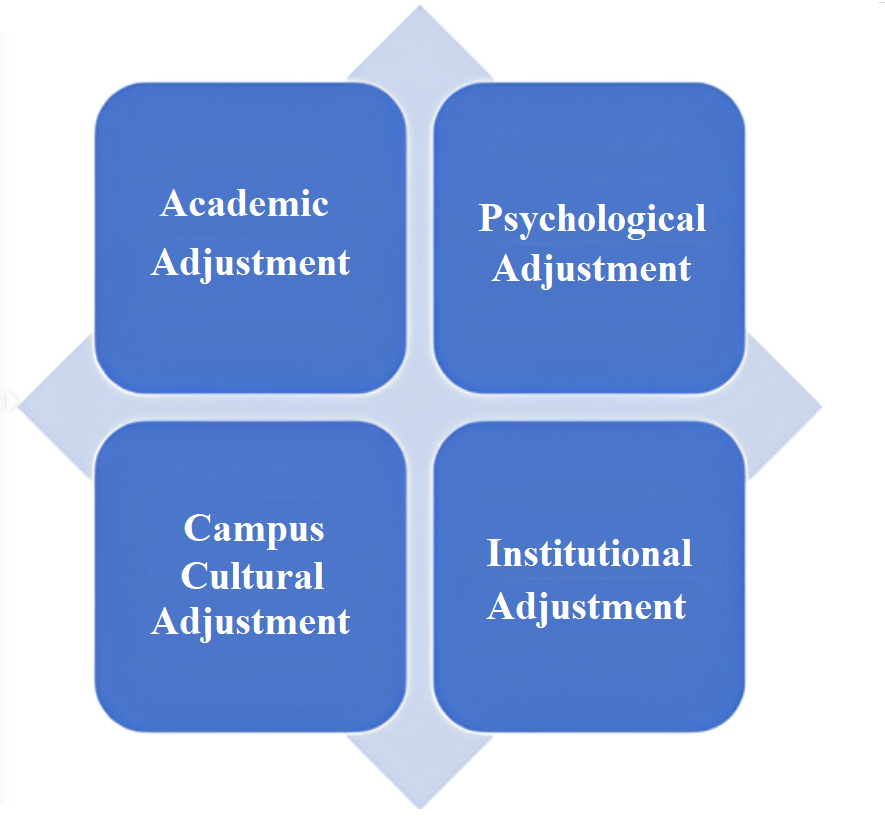
Figure 1 - Conceptualization of Adjustment
3.1. Academic Adjustment
Overall, students' academic adjustment (AA) curves are noticeable, like checkmarks. In the first stage, the most significant influencing factor is language proficiency. What students care about is whether they can adapt to face-to-face English teaching, regardless of their English level. The second influence factor is students' educational backgrounds and experiences. For example, switching majors can cause them anxiety. Students working or away from campus for many years are usually looking forward to the new semester. Here are some excerpts from the interview:
I didn't major in education in college, so I was not sure whether I could keep up with the class in English (Student 2).
Although my IELTS score met the requirements, I had never used English in class, so I was scared I wouldn't comprehend (Student 6);
I didn't know what would happen in the following study, but I wasn't worried. I solved my undergraduate problems. I believe I could also solve them at the Master's level (Student 14).
I'm confident in getting along with Chinese professors because of my college experience, but I rarely interact with foreigners, therefore I might be stressed out with a foreign teacher (Student 13).
At the next stage, language problems still remained and were described in more detail by the students. Experiencing practice also presented difficulties for them due to different teaching philosophies, teaching styles, and academic requirements than before. This was a challenging stage for them. Students expressed:
English made it really tiring to listen to a lesson with full attention (Student 3);
The requirements for academic writing, formatting, and citation guidelines were unfamiliar. I was clueless at first, which was hard (Student 6).
I was nervous at first. One course has many group assignments. Time is coordinated among group members, and many things must be prepared (Student 2).
In the last stage, students have resolved most of the issues about language, and their AA is on an upward trend, although it still fluctuates. Experience has made them more comfortable in their learning. Of course, they also suffer from exams, such as those described below:
I now find it less complicated to understand what the teacher is saying, and I express myself more smoothly in class (Student 3).
I worked hard to finish one course, but the grade was disappointing, and I felt a lot of pressure on the last day of assignments and exams (student 15).
3.2. Psychological Adjustment
According to the results after analyzing the data, the psychological adaptation of the students has been at a relatively good level, with no significant turns or fluctuations, but there were short-term minor fluctuations. Before enrolling, they were full of anticipation for their future life, and their emotions were mainly excitement and curiosity. This can be attributed to the characteristics of the school, its location, climate, etc.
If the teacher and students were Chinese but exclusively spoke English in class, it was interesting (Student 3);
I felt relaxed because I was still in China, and the city is famous as a charming place in China (student 11).
In the second stage, even though the students encountered some academic difficulties, the general mindset of the students was relatively calm. On the one hand, even the change in the environment is only a slight difference for the nationals. On the other hand, compared with undergraduates, Master's students have enough experience to live independently in the university and solve problems. Therefore, they have a positive mindset. Some students said that while they did experience some academic stress, they were able to solve the stress well because of prior experience:
Studying is hard, but I have many methods to unwind on weekends (Student 8). This is easy because of my expertise and ability to address similar difficulties (Student 2).
In Stage Three, the students' psychological adjustment seemed to be similar to Stage 2. The overall psychological state of the students is very stable. However, there were still mood swings when it came to times such as exam debriefing, where students felt stressed, but this did not last long, usually two to three weeks, and disappeared after exams were over. One student explained:
Over the past year, my moods have been consistent, and I'm content with my life. Sometimes, I'm apprehensive, especially at the end of the semester when I'm inundated with tests, but I feel better after each one (Student 11).
3.3. Campus cultural adjustment
CCA is more like an inverted U-shaped curve. Students do not have an understanding of the culture at the beginning, so they find it difficult to adjust. However, after experiencing campus life, they discovered many details that were different from their undergraduate campus life, which led to a high point similar to the honeymoon period. Over time, students get accustomed to these novelties and return to calm. At first, the general response of the students was vague. Because most students had not experienced EMI and the university is located in China with Chinese faculty and students, they did not seem to understand what was special about the campus culture, thus creating two conjectures:
I didn't know its culture. I thought it would be like a British university (Student 6).
It should be similar to other Chinese universities (Student 9).
Within the first semester, students experienced some novel points of campus culture, and many said the experience was terrific. One student said:
Our desks and chairs are adjustable and often not side-by-side like a regular classroom, and we sit in fantastic shapes (Student 14).
Students got along well with their housemates and were pleasant with administrative teachers and personnel. This phase was similar to the honeymoon phase of the U-Theory species in that the students were familiar with the university setting, but there were specific differences that would provide them with a new experience.
Within a year of enrollment, students generally reported that they had become accustomed to the cultural environment and had become comfortable with it, with one student stating.
The things that used to be novel are not so novel now, but the overall feeling is still very comfortable (Student 5).
3.4. Institutional attachment
IA also increases as time progresses. Prior to enrollment, students maintained a neutral attitude toward the university’s recognition. Many students indicated that because this university is an innovative one in China, the recognition of this university by society and the labor market is still not very clear. However, this point is very important for students who want to find quality jobs. So they still need time to learn more information further.
I live in the north, far from here. I know this university is popular in southern China, but few in my neighborhood do. Without knowing about it, my family didn't like it (Student 4).
I worried about finding a job after graduating from a Sino-foreign cooperation institution with a master's degree (Student 7).
In addition, some students also questioned the teachers' qualifications. The main reason for this was that most EMI teachers had an international background, which was different from the mainstream Chinese judgment of teacher qualifications. One student explained:
Before enrolling in the program, I checked professional teachers' resumes online and questioned their abilities because they had few Chinese articles in published (Student 1).
When students talked about their first semester experiences, there was a general increase in student recognition of the teaching profession. This was due to the fact that students' pre-admission concerns were generally allayed as they became more aware of the internationalized academic context and the real-world teaching experience. However, the skepticism caused by social acceptance was not dispelled in a short time.
Both Chinese and foreign teachers are very professional, not only in terms of academics but also in terms of their lectures (Student 3);
When students are talking about their institutional attachment after one year of enrollment, there is a significant increase. This is because students are learning more about the school and their majors, with them having more experiences such as internships, visits to other universities, academic conferences, etc. For example, one student stated:
I am currently interning at a foreign company. The company has a high recognition of our university, and my leaders and colleagues also like me very much (Student 6).
4. Findings
Student adaptation changes over time and can have different adjustment curves. In general, students' acclimatization improved but varied. The change curves for the three dimensions can be found in Figure 2. Students’ academic adjustment curves decline during the first academic year, with most reaching their nadir by the end of this semester. One reason for the low period is that while students do not have unthinkingly optimistic predictions about their learning journey before enrolling in university, most do not understand the content and format of the learning, which leads them to underestimate the learning tasks to the point that they are unprepared. This finding supports other research on international students' academic adjustment. Wang’s and Quan's studies on international students' academic adjustment noted the same reason , .
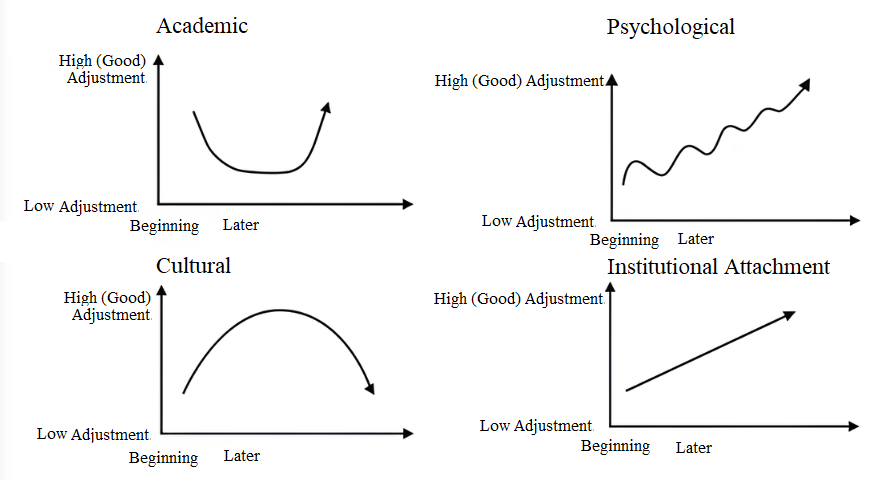
Figure 2 - Adjustment curves for each dimension
The development of PA is slight increase with no significant fluctuations. The students were in a multicultural environment but did not go abroad, so few commented about homesickness, insecurity, and other sentiments in interviews. Meanwhile, master students were more psychologically mature due to higher education and boarding school. However, PA fluctuates slightly due to academic, social, personal, and other aspects, which vary substantially due to individual variability. This finding supports Zhao and Schartner's conclusion, which indicated that academic pressure and other stressors did not increase student stress or anxiety . The researcher thinks students didn't show excessive anxiety because the university has a clear English language requirement for admission. Second, some students said that although English was used in teaching, many of the teachers were Chinese, so when they had problems, they could ask the teachers for advice after class in their mother tongue, which gave them a sense of security and reduced their anxiety.
This study identified an inverted U-shaped curve for campus CCA because students are intrigued by other cultures and feel euphoric, like during the honeymoon period in the first few months. Most research on EMI students' cultural experience is classroom-based , while few studies focus on campus acculturation, such as campus activities and administrator interactions. The findings may differ from others since the individuals' surroundings are small-scale differences in the same setting. This helps students experience a slightly distinct internationalized culture while adapting to their own, providing novelty.
The IA feature is rarely studied separately in international student adjustment studies. EMI student identity research has grown in recent years , and uncertainty and ambivalence in student experiences may cause cognitive dissonance . Students' AA and academic experiences can affect this dimension as they evaluate the university's and program's effective aid and teacher professionalism for their personal improvement. Students might also bond with the university by adapting to campus culture and socializing.
5. Conclusion
In this study, we examined Chinese EMI students' college adjustment. We got fresh insights into their adjustment process through four factors. The adjustment stage fluctuates upward, but it varies by dimension. The outcomes of this study may help stakeholders give more tailored assistance to students, boosting academic success. Due to recruitment issues, this study focused on EMI students in their home countries. Future research should examine if foreign EMI students in non-English-speaking countries have different adaption curves.