
Общественное управление отходами в условиях добычи сырой нефти в штате Риверс, Нигерия
Общественное управление отходами в условиях добычи сырой нефти в штате Риверс, Нигерия
Аннотация
В Нигерии проблема управления твердыми отходами является серьезной проблемой, поскольку многие города испытывают трудности с обеспечением эффективных услуг по сбору и утилизации отходов. В данном исследовании рассматриваются общественные инициативы по контролю за образованием твердых отходов в прибрежных водах Бугумы, штат Риверс. Цель общественной инициативы по развитию практики обращения с твердыми отходами в прибрежных водах Бугумы заключается в улучшении экологического благополучия и устойчивости прибрежной экосистемы путем продвижения эффективных методов обращения с отходами среди местных сообществ. Однако проведенное исследование показывает, что большинство сообществ сталкиваются с различными трудностями в области управления отходами, а также значительное влияние предложенных решений экологических проблем в затронутых сообществах в целях обеспечения экологической устойчивости в данном географическом районе. Данные были собраны посредством интервью, полевых исследований и анализа среди респондентов из 6 (шести) сообществ. Анализ вариаций. Для анализа данных и определения прогностической силы независимых переменных на результаты биоразнообразия был использован ANOVA, проведенный с помощью программного обеспечения SPSS (Statistical Package for the Social Sciences) версии 24. Исследование показывает, что появление общественных инициатив приносит значительные улучшения в практике управления отходами, хотя заметные проблемы все еще остаются. В данном исследовании сделан вывод о том, что инициативы по управлению твердыми отходами на уровне сообществ могут быть устойчивыми. Для того чтобы эти инициативы были действительно эффективными, необходима поддержка со стороны местных органов власти и неправительственных организаций. Это подразумевает применение концепции интегрированного управления жизненным циклом, которая предоставляет уникальную возможность совместить развитие с охраной окружающей среды. В данной работе рекомендуется уделять особое внимание внедрению инициатив по улучшению ситуации, поощрять партнерство между заинтересованными сторонами в целях расширения совместного использования ресурсов, получения дохода, сохранения местных ценностей и обеспечения экологической устойчивости.
1. Introduction
Crude oil exploration has had a huge environmental and socioeconomic impact on the Niger Delta, notably in Rivers State. Among these difficulties, proper waste management remains crucial, exacerbated by increased urbanisation, industrial activity, and insufficient infrastructure. Despite the challenges brought on by oil exploration, community-based waste management systems are becoming recognised as critical solutions for addressing waste problems in Rivers State, involving local players in sustainable trash processing. Rivers State, home to the busy Port Harcourt metropolis and various oil exploration locations, generates a large amount of municipal and industrial garbage. The environmental degradation caused by oil spills and industrial pollutants exacerbates the challenges of adequately managing solid waste. Studies indicate that waste generation and disposal practices in urban communities of Rivers State are poorly regulated, with many wastes ending up in open dumpsites or water bodies, contributing to pollution and health risks .
The presence of crude oil exploration activities complicates waste management since hazardous waste is generated, putting a burden on local waste management systems. The environmental pollution from oil activities has led to increased community awareness but also heightened the urgency for effective waste disposal and environmental protection measures . Oil exploration has caused behavioral changes, reproductive failures, and population declines in aquatic and terrestrial wildlife species in the Niger Delta . Improper management of industrial waste in the Niger Delta has continuously exposed both land and sea habitats to avertable environmental danger, contributing to pollution and climate change effects in the region . The Buguma village, like many other rural communities in Nigeria, faces challenges due to inefficient waste management practices, which cause environmental and health problems. We will study the potential benefits and challenges of implementing a community-based waste management program in Buguma, Rivers State, Nigeria, by reviewing prior studies and case studies from similar localities. This community-based waste management program emphasises community involvement and empowerment, with the goal of establishing environmentally friendly and culturally suitable sustainable waste management solutions.
Community involvement in safeguarding oil installations and adopting best practices in pipeline management is critical to reducing environmental damage and protecting biodiversity in Rivers State To be successful, the community-based solid waste management system requires institutional support and recognition, which typically involves collaboration among stakeholders. Community-based conservation efforts are essential to counteract the negative impacts of oil pollution on biodiversity, requiring active participation of local people in monitoring and restoration activities . Environmental degradation from oil activities in Rivers State has led to loss of biodiversity, reduced agricultural productivity, and compromised fisheries, directly affecting community livelihoods .
The study's goal is to provide the best techniques for improving waste management patterns in the best interests of maintaining a clean coastal environment for good health, particularly in Buguma, a recognised community in Rivers State. This study assesses the effectiveness of community-based efforts in addressing waste management hurdles in the Niger Delta region. The government will use this research to enforce environmental laws and policies that guide communities in the disposal of solid waste in coastal areas. The oil and gas sector will be able to organise a variety of symposiums and conferences to align their various activities with worldwide health, safety, and environmental policies.
By examining case studies from similar coastal towns and applying theoretical frameworks on community participation and environmental stewardship, this research seeks to provide practical recommendations for similar circumstances in this study area. The project aims to assess present waste management techniques in Buguma, examine community involvement in these activities, and identify barriers to successful waste management.
1.1. Aim and Objectives of the Study
The aim of the study focuses on effectiveness of community-based waste management initiative in Buguma coastal water region in Rivers State, Nigeria. While the objectives are:
a) at examining what extent does investment on equipment impact on solid waste disposal in coastal water of Buguma, Rivers State;
b) at analyzing what extent does adoption of education program awareness impact on solid waste disposal in coastal waters in Buguma;
c) at investigating what extent does development of models’ impact on recycling solid waste disposal in coastal waters of Buguma, Rivers State.
1.2. Theoritical Review of Community-based waste management
Community-based waste management during crude oil exploration in Rivers State, Nigeria, presents substantial theoretical and practical obstacles due to poor coordination, inadequate infrastructure, and low community participation.
Theoretical frameworks emphasize integrated municipal waste management involving government contractors, informal sectors, and community members to ensure sustainability . We need to highlight that community participation ranges from basic waste separation to full community control over waste operations, requiring institutional support and partnerships with NGOs and government agencies for success. However, studies in Rivers State reveal low involvement of community development groups in waste management, with only 3.1% practicing waste separation and widespread reliance on open dumpsites, reflecting poor strategic planning and weak enforcement . The bottom-up approach advocated by the World Bank (2021) stresses that communities should be drivers of waste management through joint decision-making with sectoral agencies, yet this is largely absent in Rivers State . Environmental protection theories underscore the need for collaborative efforts among government, businesses, and communities to improve waste segregation and disposal, which is critical given the environmental risks posed by oil exploration activities . Furthermore, informal waste contractors’ unregulated practices exacerbate pollution, indicating the necessity for formalized community-based systems that integrate education, enforcement, and livelihood opportunities . Overall, effective community-based waste management in Rivers State necessitates institutional strengthening, community empowerment, and comprehensive multi-stakeholder collaboration. Research in selected communities within Obio/Akpor Local Government Area (LGA) of Rivers State such as Rumuolumeni, Rumuekini, Rumuosi, and Ogbogoro highlighted the involvement of community development groups (CDGs) in waste management practices. These groups are pivotal in mobilizing residents to participate in waste collection, proper storage, and maintaining cleanliness in their neighborhoods . However, despite the presence of active CDGs, waste management remains largely uncoordinated and ineffective, with many communities still struggling with improper waste disposal. The study emphasizes that while CDGs can improve waste collection from sources and motivate residents, systemic issues such as inadequate infrastructure, poor coordination, and lack of government support hinder their full effectiveness .
1.3. Waste Management Agencies, Policy Framework in Niger Delta
The Rivers State Waste Management Agency (RIWAMA) is the primary government body responsible for waste collection and disposal. However, its efforts are often challenged by limited resources, enforcement difficulties, and the vast scale of waste generated. To complement government efforts, private recycling companies like Freetown Waste Management Recycle Limited and I Recycle Limited have been engaged to promote recycling and reduce waste volumes Studies call for stronger enforcement of waste management laws, involving taskforces to apprehend defaulters and ensure compliance with environmental regulations. Collaborative efforts between government agencies, private sector, and community groups are deemed essential for sustainable waste management .
1.4. Importance of community-based Sustainable Waste management Practices
Implementing community-based solid waste management in similar contexts can provide several benefits, including job creation, exposure to more advanced technologies, cost savings, relationships with developed communities, income generation, improving residents' socioeconomic status, and service opportunities for local communities. Effective community-based solid waste management practices are critical for minimising contamination and degradation of Buguma's coastal waterways and ecosystems, hence preserving the area's marine habitats, biodiversity, and water quality. The community-based approach to waste management reduces health risks associated with hazardous waste items, contaminated water sources, and disease vectors. Sustainable waste strategies contribute to better public health outcomes by promoting sanitary and clean environments. Communities in Buguma may benefit economically from this technique as well. For locals, recycling programs, waste-to-energy projects, and ecotourism endeavours can create jobs, revenue, and opportunities for entrepreneurship. Waste management initiatives enable local communities to take responsibility for their environmental resources and contribute to ecologically sustainable development efforts. Community-based programs develop a sense of pride, responsibility, and stewardship for the environment.
A study by found that community-based solid waste management is an effective approach in reducing the environmental and health impacts of solid waste in Buguma.
1.5. Methods of Community-Based Waste Management adopted
Effective community-based waste management strategies are essential for promoting environmental sustainability and public health. These methods include:
1.5.1. Promotion of Recycling Initiatives: Communities established recycling systems that allow individuals to separate recyclables from general waste at home, making recycling an effective component of sustainable waste management in this riverine community where landfill space may be limited. Local governments or non-governmental organisations (NGOs) can sometimes help with recycling programs by placing recycling containers in strategic areas and organising periodic recyclable collection drives. They can also collaborate by giving required resources or financial support for recycling operations. This strategy contributes significantly to waste reduction by transforming recyclable resources into useful goods.
1.5.2. Implementation of Composting Programs: Composting is one of the most effective ways to manage the organic and biodegradable materials produced by Buguma community houses. Turning garden waste and food scraps into nutrient-rich compost allows communities to reduce the quantity of waste deposited in landfills while also saving money on fertiliser purchases for their farms. This compost can also help enhance the soil quality for neighbouring gardening or agricultural enterprises. Communities promote composting and provide resources such as starter kits and compost containers. In addition to reducing organic waste and landfill contributions, this technique promotes food security and sustainable farming practices in the area.
1.5.3. Engagement in River Clean-Up Initiatives: The community organises regular river clean-up projects to aggressively address environmental issues affecting nearby waterways. This technique brings together community volunteers to help remove debris from riverbanks and nearby areas. This initiative preserves aquatic habitats from contamination while improving the value of rivers.
1.5.4. Implementation of Segregation at Source: This is another significant strategy for waste management that requires households to separate their waste at the source. This method makes recycling and composting easier by separating biodegradable and non-biodegradable materials. Workshops and community education can teach residents how to properly segregate their waste, increasing the rate of resource recovery and reducing waste that ends up in landfills. They can also assist with composting, which can enhance the soil for local farms.
1.5.5. Restoration of Mangrove Ecosystem: The 1000 ha mangrove cleanup in Bodo represents the largest restoration of oiled mangroves in the Niger Delta and serves as a potential model for other affected areas . Community forest management committees in Cross River State have conserved over 33,000 hectares of community forest, demonstrating the potential of local governance in biodiversity conservation .
1.6. Challenges of Community-Based Waste management Practice in Buguma, Rivers State, Nigeria.
Despite successes, CBC in Rivers State faces significant challenges, including ongoing oil pollution from pipeline vandalism, illegal refining, and inadequate enforcement of environmental regulations . Community unrest and security issues can impede restoration efforts, while re-oiling from illegal activities threatens progress . Many people do not understand the importance of proper waste management for the environment and human health. For example, communities avoid illegal waste dumping due to fear of fines rather than environmental concerns. Aside from community-based waste management programs, Buguma people frequently use unofficial roadside dumps. Buguma, a coastal town in Rivers State, Nigeria, is well-known for its rich biodiversity and cultural history. However, community-based waste management and environmental degradation present substantial issues. One of the most significant challenges facing community-based waste management projects in Buguma is a lack of suitable infrastructure.
The lack of appropriate funding for effective and modernised equipment or infrastructure, transportation modes, training programs, and awareness campaigns impedes the implementation of sustainable waste practices. In Buguma, successful community-based programs are greatly impeded by low stakeholder engagement. In Buguma, cultural traditions, beliefs, and behavioural factors have a significant impact on how people perceive the community-based waste management method. Conventional practices, such as burning waste or openly disposing of waste, can hamper efforts to enhance sustainable solid waste development approaches. The effective implementation of solid waste management initiatives in Buguma is dependent on the capacity of community members and local groups. Residents frequently lack the knowledge or drive to follow adequate waste management techniques.
1.7. Strategies to Eliminate Challenges of Community-Based Waste management Practice in Buguma
To overcome the challenges hindering the community-based waste management initiatives, effective strategies must be implemented. The ongoing environmental challenges in Rivers State underscore the urgent need for comprehensive policies that integrate community-based biodiversity conservation with oil industry regulation and remediation .
1.7.1. Infrastructural and Innovative Development: Buguma relies heavily on community-based waste management infrastructure development. Investing in garbage collection, recycling, and disposal infrastructure will make community-based projects more efficient and productive. Collaborating with local governments, private sector partners, and the government can help to construct critical infrastructure to address these issues. Provide adequate and accessible refuse bins tailored to community sizes and needs, and ensure regular waste collection services .
1.7.2. Capacity Building and Training: Empowering community members and local organisations through capacity building and training programs is crucial for effective community-based waste management. Educating communities on the importance of proper waste management, waste segregation, recycling procedures, composting processes, and proper waste disposal will encourage people to take an active role in sustainable waste management practices. Organisations and governments should hold workshops, seminars, and skill-building events on a regular basis to improve waste management knowledge and skills for effective facility management.
1.7.3. Stakeholder Engagement: Effective stakeholder engagement is a critical component of effective community-based garbage control activities in Buguma. Collaboration with community members, local leaders, government agencies, non-governmental organisations, and businesses is essential for decision making and resource mobilisation. Creating venues for discourse, collaboration, improvement, and feedback systems can increase transparency, efficiency, accountability, and inclusion in waste management activities. Effective biodiversity conservation amidst oil exploration demands multi-stakeholder collaboration involving communities, government agencies, and oil companies to implement sustainable practices .
1.7.4. Behaviourial Change Campaigns: Changing cultural practices and attitudes towards waste management involves targeted awareness campaigns and behaviour modification initiatives. Implementing education and awareness campaigns, communication techniques, social marketing initiatives, and community outreach programs can help communities understand and appreciate the importance of safe garbage disposal, recycling, and environmental conservation. Engaging adult people, such as youth, traditional rulers, men's and women's clubs, and community leaders, in these activities can increase their positive influence.
1.7.5. Sustainable Financing Mechanisms: The long-term success of community-based programs is dependent on establishing stable funding sources. Implementing innovative and sustainable financing mechanisms such as public-private partnerships, eco-tourism ventures, waste-to-energy projects, and community fundraising events would assist the Buguma community in diversifying its revenue streams and supporting community waste management efforts. Requesting government assistance and grant opportunities will be incredibly helpful in obtaining financial resources for sustainability.
1.7.6. Monitoring and Evaluation: Effective monitoring and evaluation tools are necessary to track the development, impact, and outcomes of Buguma's community-based garbage management operations. Regular monitoring of waste management operations, efficient data processing and storage, waste generation rates, recycling rates, pollution levels, and community engagement metrics will provide relevant and reliable information for decision-making and long-term development. Periodic evaluations and impact assessments will enable you to analyse the efficacy of your tactics and make informed changes as needed.
1.7.7. Economic Incentives & Social Enterprises: Adopting pay-as-you-throw programs encourages families to minimise overall volume created by imposing charges in proportion to the amount tossed, hence increasing segregation of recyclable goods at the source and allowing for easier downstream processing later stages! Such models, which have already been successfully implemented in a number of global cities, could be tailored to the specificities found locally here, possibly even incorporating barter systems to exchange recyclables and basic goods services, thereby incentivising participation rates and overall scheme success rates over time.
1.7.8. Technological Innovations
Technological advancements create new opportunities to expand community-based waste management efforts by improving collection efficiency or applying innovative recycling procedures. Mobile applications designed specifically for managing household-level collection services have proven effective elsewhere; applying similar technology to Buguma's context could improve operations by optimising routes based on real-time data inputs from users reporting full bins that need to be picked up. Low-cost plastic shredders, for example, allow small-scale recycling businesses to create revenue by reintroducing recycled materials back into market supply chains while simultaneously reducing waste.
1.7.9. Participatory Planning Processes
One of the key elements of community-based solid waste management is the participation of community members in waste management decision-making processes. Participatory planning ensures that solutions are appropriate for local circumstances while developing a sense of responsibility in residents. Community mapping comprises assisting communities in identifying key locations affected by ineffective waste management procedures. Participants in workshops and field surveys sponsored by local NGOs or municipal governments can utilise maps or digital technologies like Geographic Information Systems (GIS) to document problem areas. This data serves as the foundation for developing tailored responses. Regular forums facilitate communication among many stakeholders, including government officials, company owners, civil society organizations (CSOs), and youth groups, allowing them to collaborate on developing plans for improving solid waste management practices.
1.8. Impacts of improper waste management on climate change
Oil spills and gas flaring in the Niger Delta have led to continuous environmental degradation, releasing greenhouse gases and toxic pollutants that exacerbate climate change . The Niger Delta region is bedeviled with many unhealthy environmental and industrial waste management practices that exacerbate environmental pollution and climate change impacts . Improper waste management techniques have a significant impact on climate change, contributing to the global environmental disaster in a variety of ways. Landfills are a major source of methane emissions, a potent greenhouse gas. When organic rubbish decomposes in landfills without oxygen, it produces methane, a more potent climatic pollutant than carbon dioxide in the short term. Open landfills are especially problematic, accounting for a sizable amount of overall landfill methane emissions. Burning garbage, especially on open mounds, discharges a large amount of CO2 and other pollutants into the atmosphere.
More waste is being burned in Nigeria, harming both the environment and surrounding residents. Climate change is expected to cause more frequent and powerful natural catastrophes, increasing the amount of disaster-related rubbish generated. This surge in rubbish could overwhelm existing waste management systems, leading to improper disposal and increased greenhouse gas emissions. Improper waste management pollutes the air, water, and soil, as well as destroying habitats and reducing biodiversity. These environmental effects may exacerbate climate change by diminishing natural carbon sinks and disrupting ecosystems. Communities in the Niger Delta face compounded effects of environmental degradation and climate change due to poor waste management and industrial pollution .
2. Methods
2.1. Study Area
Buguma is situated in Rivers State and found to be one among the Ijaw ethnic group in Nigeria at large. Buguma city is the capital city of Asari Toru local government area, having gigantic aqua investments with numerous fish ponds established by the Rivers State Government. Buguma, located in the Asari-Toru Local Government Area of Rivers State, Nigeria, is a cultural and commercial hotspot. Its proximity to aquatic bodies, as well as its location within the Niger Delta, have an impact on its ecological and economic activity. The town's population has constantly grown as a result of natural expansion, urbanization, and migration from rural areas and from other neighbouring cities and countries possibly as a result of the economic benefits of crude oil exploration. Buguma came up as a city in the year 1981 during the administration of Chief Melford Okilo as the first governor elect in the second republic. Today, Buguma city is a renowned town among the Kalabari’s Kingdom made up of Buguma, Ido, Abalama, Kala-Abalama, Opuro-Ama, Sama, Tema, Ilelema, Ifoko, Okpor, Krakrama, Sangama, Angulama, Mina-Ama, Omekwe-Ama, Omekwe Tari-Ama. Sub unit communities that form a population of 135,404 residing in the city as presented in Geonames geographical database in the current year 2024. Buguma is positioned at 4,73614 Latitude rated in decimal degrees with 6,86236 while longitude in decimal degrees at a means decimal degree at a mean elevation of 7 metres extension Geonames focuses on data provision tagged with an identification number 2346615 for Buguma.
Given its geographical location along the coast, wet land of River and Sombriero enclosed with mangrove vegetation constituting riches of numerous amphibian creatures and marine species naturally embedded in the region, Buguma's inhabitants are predominantly fishermen. Buguma city has a higher share of Christian worshippers as a religious belief, whereas few residents adhere to traditional worship based on their great grandfather's original culture. According to data gathered from geonames, a geographical database, 14 primary health facilities have been constructed in all local governments, as well as a general hospital infrastructure, to ensure the general population's health.
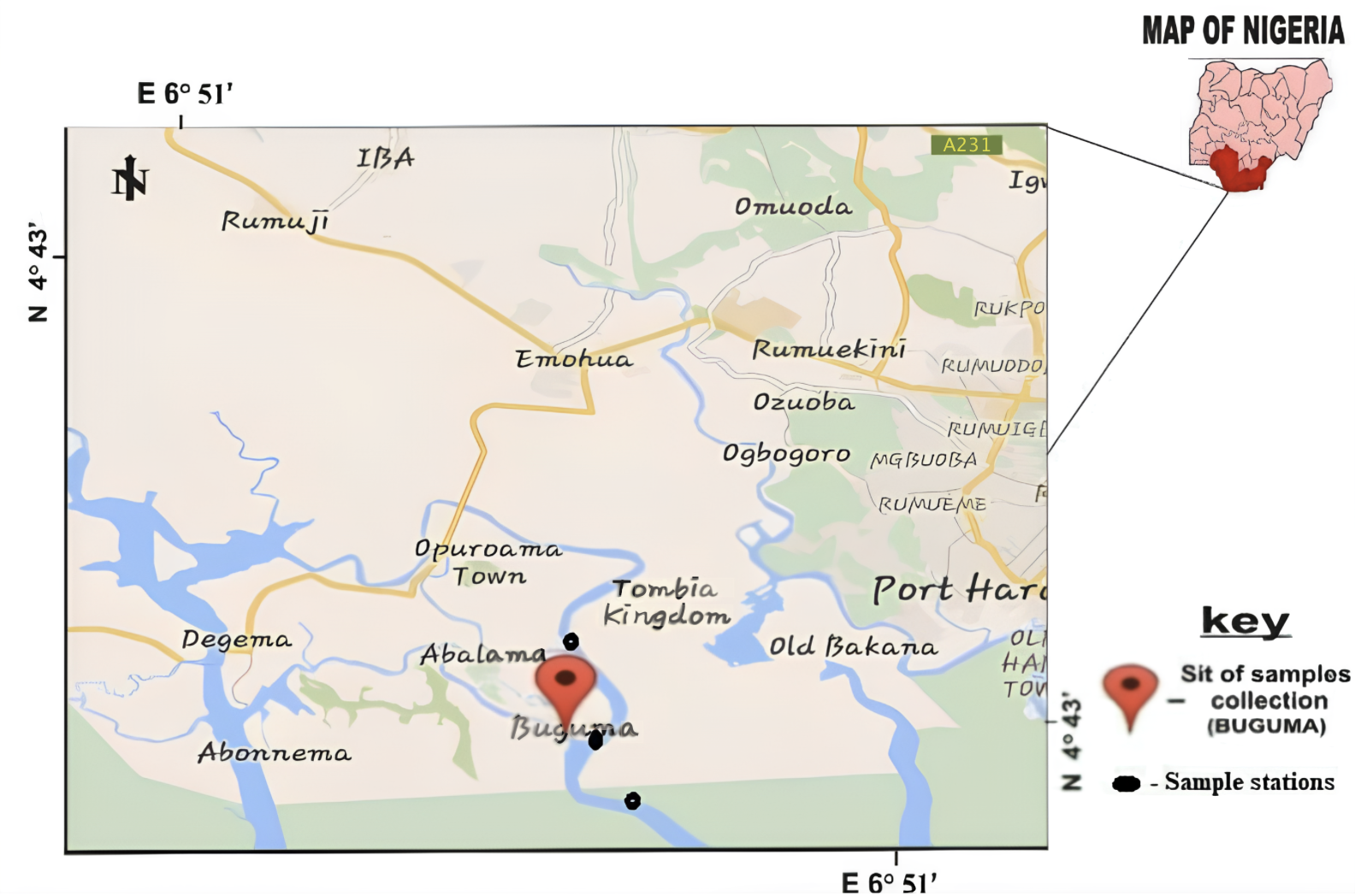
Figure 1 - Map of Buguma
Note: source [13]
Ho1: Investment on equipment does not have significant impact on solid waste disposal in coastal waters of Buguma, Rivers State
Ho2: Adoption of education program awareness does not have significant impact on of solid waste disposal in coastal waters of Buguma, Rivers State.
Ho3: Development of models does not have significant impact on recycling of solid waste disposal in coastal waters of Buguma Rivers State.
2.2. Data Collection
The sample technique involve selected respondents among each of the communities were included in the study. This comprises the waste administrative officers, safety officers, human resource officers, sledge management team and supervisors were selected as respondents as their wealth of experience in the field highly considered.
The study employed one single of data collection known as primary source of data collection. This method involves interview guides, observation and administration of questionnaires, observations were made accordingly, among six (6) communities with sample size of 398, means comprise of journal papers, using of textbooks, internet, google facilities used for facilitation of data validity and reliability.
In this study, data were collected from respondents through administration of questionnaire, interviews and field observation that cut across the six communities in the Buguma Coastal region in Rivers State. The data were further analyzed with presentation of distribution tables and charts in descriptive statistic.
3. Results and Discussion
Table 1 - Characteristics of the respondents of the six communities
Knowledge | |||
Variables | Good knowledge | Less knowledge | Total |
Frequency | 183 | 215 | 398 |
Percentage | 45,98 | 54,02 | 100 |
Education | |||
Variables | Low education | High education | Total |
Frequency | 220 | 178 | 398 |
Percentage | 55,28 | 44,72 | 100 |
Infrastructure | |||
Variables | Not available | Available | Total |
Frequency | 214 | 184 | 398 |
Percentage | 53,77 | 46,23 | 100 |
Waste management | |||
Variables | Participating | Not Participating | Total |
Frequency | 209 | 189 | 398 |
Percentage | 52,51 | 47,49 | 100 |
Table 1 shows respondents from all the five communities of Buguma city. It shows that respondents with less knowledge were reported to be 215 people (54,02%). This implies that most respondents have less knowledge about proper waste management, they probably get involved because of the compulsory clean-up exercise implemented in Nigeria. Respondents with a low level of education (basic education) were 220 people (55,28%). The majority of respondents from the communities have low education, which may affect their individual behaviour towards participating in proper waste management in the community. Respondents that reported unavailability of infrastructure were 214 people (53,77%). This response could be due to the fact that they have less education and less knowledge about waste management. The 209 respondents (52,21%) participated in waste management. This indicates that communities’ participation is already ongoing but still needs to be improved with little motivations from the Government.
Research Question 1: At what extent does investment on equipment impact on solid waste disposal in coastal waters of Buguma, Rivers State.
Table 2 - Investment on waste equipment
Measures Solid waste | Abalama | Omekwe ama | Aluka | Ido | Krakrama | Sangama | Total |
Metal dustbin | 25 (79,60) | 16 (79,86) | 14 (96,21) | 23 (113,00) | 18 (87,82) | 4 (79,60) | 160 (76,08) |
Commercial dust bin wheel | 11 (77,60) | 5 (72,30) | 4 (75,10) | 3 (70,73) | 7 (77,86) | 6 (80,69) | 36 (75,70) |
Barless incinerator | 18 (81,6) | 3 (69,30) | 4 (74,95) | 2 (69,42) | 5 (77,28) | 6 (80,69) | 38 (75,54) |
Ganner Hammer mill Pulveriser | 7 (71,60) | 6 (72,86) | 5 (75,39) | 3 (70,3`8) | 9 (78,80) | 5 (79,65) | 35 (74,78) |
Rotanry type of Pulveriser | - | - | - | - | - | - | - |
All types | 22 (86,60) | 19 (103,80) | 12 (76,24) | 11 (79,23) | 9 (76,01) | 4 (77,00) | 77 (83,15) |
Total | 83 (398) | 49(398) | 39 (398) | 42 (398) | 48 (398) | 25 (398) | 286 (398) |
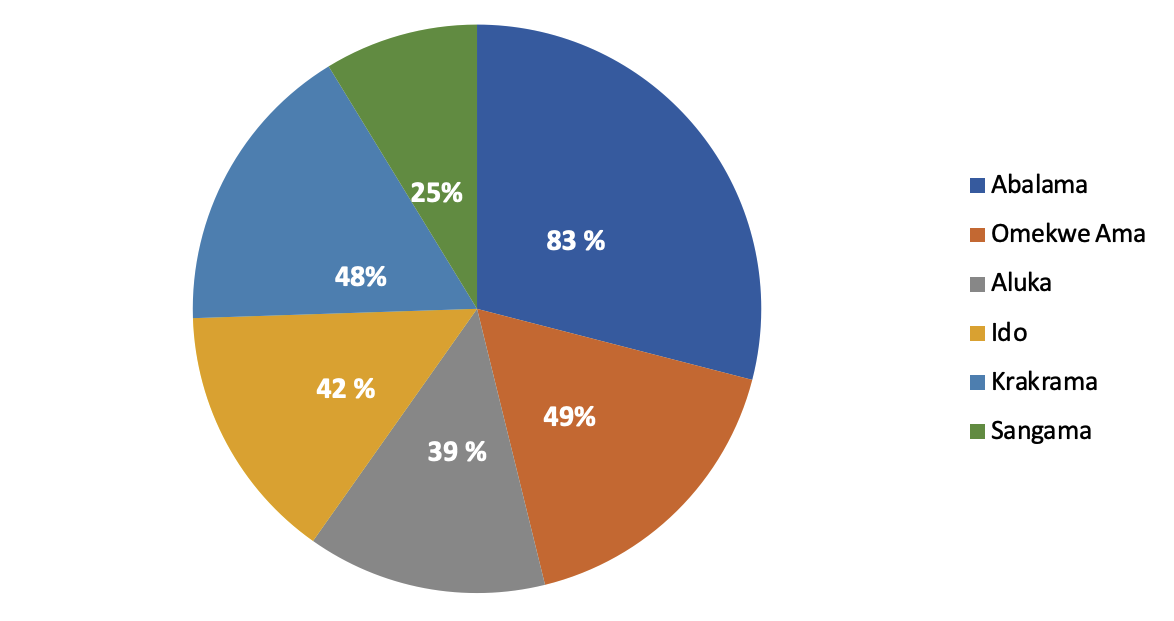
Figure 2 - Investment on Equipment in Solid Waste Management
Investment in equipment for solid waste management plays a crucial role in enhancing environmental sustainability, particularly in coastal areas like Buguma, Rivers State. The percentage that agreed to investment in equipment for solid waste management could be due to some positive impacts of such investments. Improved equipment helps waste reduction and collection, assures more quantity and efficient waste collection and disposal processes. The application of modern waste management technologies significantly supports the reduction of waste volume that ends up in coastal waters, which is important for preventing pollution of the marine ecosystems.
Moreover, investment in equipment can also stimulate local economies by creating jobs related to waste management operations. Waste management equipment not only enhances operational efficiency but also enhances provision of employment opportunities for the residents within the community, which creates economic boosts leading to improvement of the livelihoods for residents.
However, there are negative impacts associated with such investments as well. High initial costs can be a significant barrier for local governments and communities. Additionally, if equipment is not managed properly, the introduction of equipment may lead to job losses among traditional waste collectors who may not possess the necessary skills to operate advanced machinery.
Table 3 - Showing Education Programme Awareness identified in this study in Buguma, Rivers State
Measures Education | Ido | Aluka | Omekwe- ama | Abalama | Krakrama | Sangama | Total |
Workshop and training | 12 (86,60) | 3 (78,33) | 5 (81,03) | 2 (77,68) | 3 (87,09) | 2 (89,01) | 25 (68,45) |
Encouraging resident commitment | 9 (79,60) | 4 (75,26) | 3 (76,25) | 5 (80,79) | 4 (78,00) | 3 (72,00) | 25 (76,98) |
Behaviourial change | 7 (71,60) | 6 (70,58) | 7 (73,50) | 4 (75,50) | 7 (73,00) | 6 (75,00) | 37 (33,20) |
Resource distribution | 6 (78,61) | 7 (80,31) | 11 (77,59) | 3 (79,35) | 8 (75,00) | 4 (82,00) | 39 (78,81) |
Digital campaign | - | - | - | - | - | - | - |
Public campaign | 8 (81,60) | 5 (93,05) | 16 (89,15) | 2 (84,18) | 5 (85,00) | 8 (80,00) | 44 (10,01) |
Total | 42 (398) | 25 (398) | 41 (398) | 16 (398) | 27 (398) | 23 (398) | 170 (398,44) |
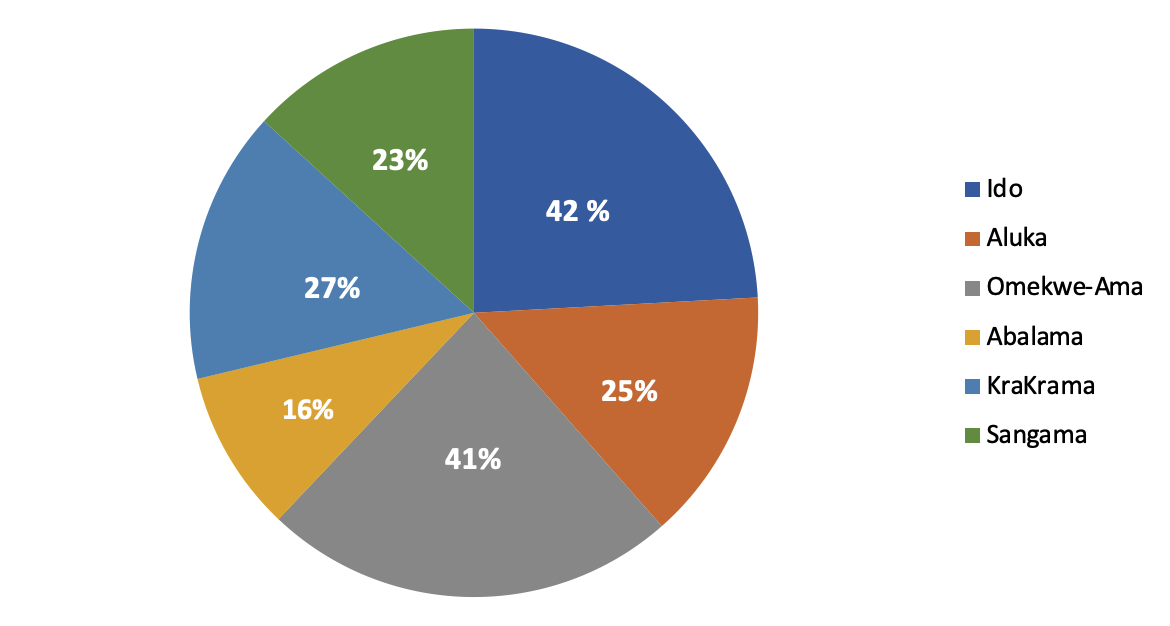
Figure 3 - Education program Awareness
While educational program awareness can significantly improve solid waste management practices in Buguma’s coastal waters, it faces challenges like changing deeply ingrained habits and cultural practices related to waste disposal, limited resources for implementing comprehensive educational programs which must be addressed for maximum impact.
Research Question 3. At what extent does development of model impact on recycling solid waste disposal in coastal waters in Buguma, Rivers State?
Table 4 - Development of models and recycling solid waste disposal
Measures of Solid waste methods of recycling | Abalama | Omekwe ama | Aluka | Ido | Krakrama | Sangama | Total |
Rubber and plastic (Shredding and Granulating) | 24 (79,50) | 16 (79,86) | 13 (96,21) | 22 (113,00) | 18 (87,82) | 4 (79,60) | 159 (76,08) |
Paper and Textile (shredding and Pulping) | 12 (77,60) | 5 (72,30) | 5 (75,10) | 4 (70,73) | 7 (77,86) | 6 (80,69) | 37 (75,70) |
Glass (cleaning and Crushing) | 17 (81,16) | 3 (69,30) | 4 (74,95) | 1 (69,42) | 5 (77,128) | 6 (80,69) | 38 (75,54) |
Ferrous metal (shredding and Magnetic separation) | 7 (71,59) | 6 (72,86) | 5 (75,39) | 7 (70,3`8) | 10 (78,80) | 5 (79,65) | 36 (74,78) |
Green Waste (Compostin) | - | - | - | - | - | - | - |
Kitchen Chaffs | 22 (86,61) | 20 (103,80) | 12 (76,24) | 10 (79,23) | 8 (76,01) | 5 (77,00) | 76 (83,15) |
Total | 82 (398) | 50 (398) | 37 (398) | 44 (398) | 47 (398) | 26 (398) | 286 (398,66) |
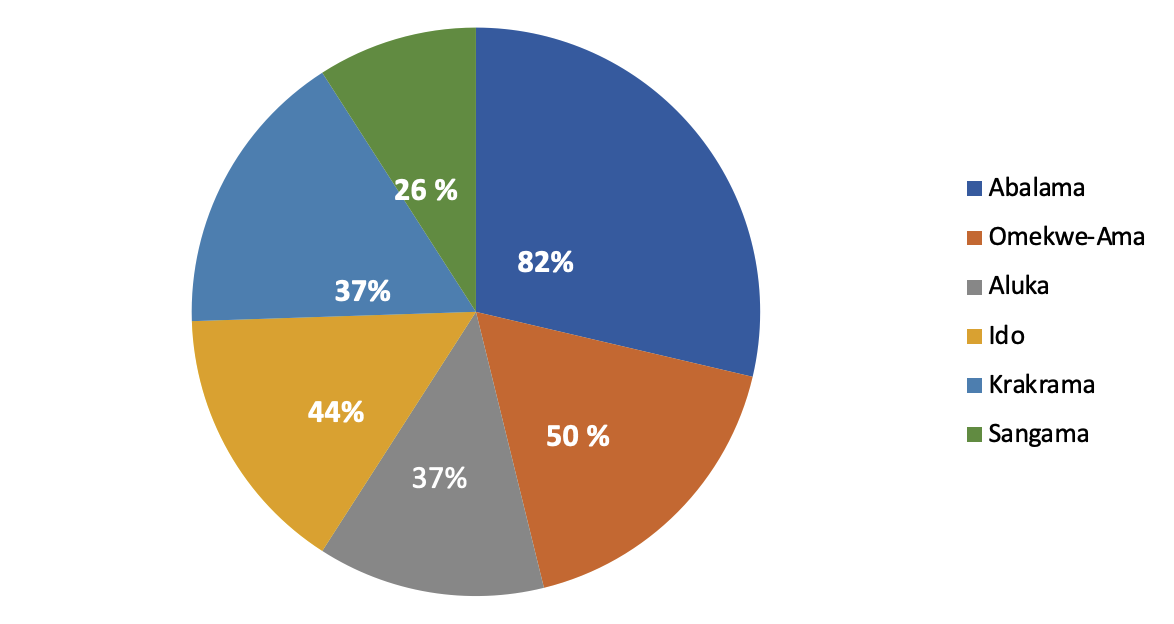
Figure 4 - Development of Models and Recycling Solid Waste
The positive impacts of these models include enhancing waste management efficiency by providing controlled approaches to segregate and recycle waste materials, thereby reducing the volume of waste entering coastal waters. This approach can lead to improved water quality and biodiversity conservation. These models can foster community engagement and awareness regarding waste management.
On other hand, there are negative impacts associated with these models. Economic constraints may also hinder the successful deployment of these recycling models, which can lead to potential neglect of existing waste management systems. Poorly designed models may inadvertently lead to increased pollution if not properly implemented, managed or monitored.
3.1. Summary of Findings, implications and their Significance
It was found that community-based initiatives have only recorded a slight achievement in the areas of solid waste management practice in Buguma communities, Rivers State.
– That those communities have also participated in the investment of equipment regarding solid waste disposal, while only few of the communities benefited.
– That community-based initiatives led to the adoption of recycling model that have resulted to greater output of recycling rate generated from solid waste.
– That the adoption of community-based initiative in Buguma city has not led to outright reduction of solid waste in the area. This implies that a relative research of this kind will be needed.
3.2 Limitations of the Study and Suggestion for further Research
Since the research was based on the views of the respondents personalized, it is assumed that the study is not free of bias. As a result of limited time available to complete the research study, the researcher conducted the study on community-based initiatives and solid waste development practices in Buguma coastal waters, Rivers state. Suggests to cover other coastal waters in Nigeria.
However, the gap identified of this study came up in three dimensions according to the available variables used.
4. Conclusion
Implementing a Community-Based Waste Management technique in Buguma provides the opportunity to handle the city's serious waste management concerns in a sustainable way. Buguma's solid waste management system can be turned into a more inclusive and efficient one by involving residents in the process, building relationships with stakeholders, and encouraging resource recovery. Such an initiative will not only benefit the environment, but also the quality of life for its residents. The community-based approach to waste management is a promising method for controlling municipal waste in rural areas. By involving communities and using local resources, community-based waste management can improve environmental conditions, generate money, and improve public health. Addressing issues such as financial inefficiency, lack of awareness and inefficient stakeholders or institutional supports is necessary to achieve the success of this waste management approach in areas with the same context.
Community-based waste management strategies provide long-term solutions to the major environmental concerns created by insufficient garbage disposal practices in Nigeria's riverine regions. Community-based waste management in Buguma districts provides a long-term solution to serious environmental issues caused by inefficient garbage disposal techniques. The difficulties encountered by community-based projects in Buguma underscore the need for immediate action to promote sustainable waste development methods in the region. The study discovered that the assumption of community initiative practice in the development of solid waste may not be acceptable, especially when compared to the extent of equipment investment, education program, and adoption of development model to achieve adequate and efficient recycled products from waste in coastal waters.
Recommendations
The following recommendations are made, based on the findings of this study.
Education of residents on the importance and benefits of community-based approach to waste management, and also involving them in the decision-making processes that concerns them. Collaborate with all the stakeholders to ensure a comprehensive approach. Implementing programs or models to enhance waste recycling and composting, which will facilitate income generation and also reduce waste. Secure a strong and reliable funding facility to sustain the initiative.
Wastes are disposed to every coastal water so good and efficient recycling equipment be put in place in all coastal area in Rivers State. Smart Waste Management System should be established at the grassroots by government. There should be environment auditing to check mate the extent to which participants sustain environmental seeking behavior. Based on dynamic change in our environment, educational program initiative should be reviewed. Environmental laws should go beyond mere enactment, rather enforcement in order to punish offenders.