
Социокультурные аспекты текстов музеев, посвященных М. Горькому, на примере Нижнего Новгорода
Социокультурные аспекты текстов музеев, посвященных М. Горькому, на примере Нижнего Новгорода
Аннотация
В данной статье исследуются письменные тексты аннотаций двух нижегородских музеев, посвященных наследию Максима Горького, с использованием как индивидуального, так и группового анализа. Исследование демонстрирует частичное соответствие международным стандартам и предоставляет показатели включенной и непокрытой лексики. Кроме того, анализ тональности текстов дает представление об эмоциональном тоне каждой аннотации, освещая потенциальный опыт читателя. Результаты предлагают практические стратегии для улучшения текущего содержания и структуры музейных аннотаций, что может внести вклад в развитие образовательных и туристических программ. Результаты работы могут быть масштабированы в Нижнем Новгороде и в других регионах. Способствуя более глубокому пониманию освещения русского культурного наследия, данное исследование направлено на улучшение опыта иностранцев в процессе межкультурного взаимодействия.
1. Introduction
The promotion of the Russian language and culture is a vital aspect of Russia's strategy to preserve its national identity. According to Frow (1995), cultural value does not only reflect economic or political power, but it is also embedded in the narratives and practices of a community. Nizhny Novgorod, with its rich history and cultural heritage, plays a crucial role in stimulating interest in The Russian cultures in recent years, the city has received various accolades, such as being named “Youth Capital” in 2023 and “Cultural Capital” in 2024. These designations significantly enhance the city's appeal, attracting a growing number of tourists and international visitors coming to the city for diverse purposes. The impact of these initiatives is undeniable, as the number of tourists is growing exponentially. Nizhny Novgorod had about 1.4 million visitors, with projections of welcoming from 3.5 to 4 million visitors in several years.
In addition to its role as a tourist destination, Nizhny Novgorod serves as an educational hub, hosting 11 universities and institutes that cater to foreign students. The anticipated increase in foreign student enrollment underscores the city's commitment to fostering cross-cultural exchange. To increase cultural awareness, foreign students tend to visit local museums, where they get engaged with exhibit annotations. These written texts are essential for understanding some nuances of Russian culture and history. The role of the reader is crucial for interpreting texts , with foreign students annotating texts’ comprehension and interpretation being aligned with their language proficiency.
The importance of musems texts also lies on the periphery of phygital trends, as most of the information has been duplicated into the “digital twins” of museums: websites or smartphone applications. These trends enable people around the world with access to the internet to engage with physical visual information in digital form. This shift toward digital surrogacy, however, often sidelines the interpretive role of museum texts. Museums texts are traditionally designed to guide visitors through meaning, context, and emotional resonance. Therefore, to fully understand possible conversion of the physical experience into digital, it’s crucial to know the current state of text from multiple perspectives.
Currently, the Gorky Museum’s website being the only digital platform available, as there is no application for any kind of devices. It is used primarily to announce events and provide basic information such as opening hours, ticket prices, and exhibition names (without text abstracts or any form of explanatory content). The simple comparison with Dal Moscow’s State Museum of the History of Russian Literature and the Pushkin State Museum of Fine Arts shows that Gorky’s museum content in digital form is the most limited. The Dal’ museum offers more content, though not every exhibit is accompanied by even a short note. The Pushkin Museum, by contrast, presents the richest digital content for its exhibits Although such a comparison is not the central focus of this article, it nevertheless illustrates the potential for improving the transfer of experience and the organization of material across museums, enhancing the overall quality of museum texts in Russia.
This means that, despite the current lack of informational openness that would encourage full physical attendance, it presents a significant opportunity for museums to enrich their phygital platforms with visual materials of any form, aligning with modern standards. As today, such digital content is an essential component of any intercultural dialogue
. Such development can not only enhance the text and cultural consumer engagement, but also democratize access to cultural heritage for different audiences, which would improve the positions of Gorky and other museums as proactive agents of cultural translation, bridging different forms of divides and improving the soft power effectiveness.It also means that the museum can prepare refined translations of its current Russian-language texts into other foreign languages, taking into account not only linguistic accuracy but also cultural and sociological dimensions of reading and reception
. While interpretation remains a field we do not explore in depth in this research, but trying to establish a solid foundation on the scientific results of this field of study which would be useful for future scholarly work. Interpreting any kind of text is a debateful process, as it also should take into account the key audience and their basic and cultural knowledge (Danilova, Prokopenko, 2017). Yet, the main point of the current research is the text itself in Russian as a foreign language.As the birthplace of the renowned writer Maxim Gorky, Nizhny Novgorod continues to inspire creativity and intellectual exploration. The city's museums are key institutions that preserve and disseminate knowledge, not only to younger generations but also to international visitors. This research aims to investigate the role of museum annotating texts in the dissemination of socio-cultural information. Specifically, we endeavor to reveal how they affect foreign visitors’ understanding of Russia’s cultural heritage. To achieve this, the study focuses on two prominent museums located in Nizhny Novgorod.
This study, which examines cultural sociology and communication dynamics, positions museum annotations as critical sociocultural artifacts that mediate between institutional narratives and public perception. The analysis of textual materials in Nizhny Novgorod’s Maxim Gorky museums extends beyond linguistic evaluation to interrogate their role in constructing collective memory and fostering intercultural dialogue — a core concern of sociological inquiry into cultural institutions. By integrating lexical complexity metrics (aligned with CEFR standards) and sentiment analysis, the research unpacks how these texts function as vehicles of symbolic power, shaping visitors’ interpretations of Russian heritage through deliberate linguistic and emotional framing. The study further addresses the sociological imperative of accessibility, highlighting disparities in vocabulary inclusivity that may marginalize non-native speakers, thereby reinforcing or challenging social hierarchies within cultural consumption. Such insights align with broader debates on cultural capital, wherein museum texts act as gatekeepers of knowledge, influencing who can engage meaningfully with historical narratives. By situating annotations within the sociocommunicative ecosystem of Nizhny Novgorod — a city balancing its roles as a tourist destination, educational hub, and custodian of Gorky’s legacy — this research underscores the reciprocal relationship between textual practices and societal values. It argues that optimizing these texts is not merely a curatorial task but a sociological imperative to democratize cultural access, enhance cross-cultural empathy, and strengthen the communicative efficacy of museums as agents of soft power in a globalized context.
This article addresses the crucial issue of effective transmission of socio-cultural knowledge through written texts in museums. We posit that the readers’ interest in and comprehension of cultural information depend on the level of complexity of museum annotating texts. In Nizhny Novgorod, educational programmes for language courses aim to provide graduates with the Russian language proficiency at B1+ or B2 levels. Consequently, the texts presented in local museums should be appropriately tailored to meet the linguistic capabilities of foreign visitors to the city.
However, the current lexical complexity of museum texts can be quite demotivating, as it impedes foreign visitors’ understanding of cultural phenomena. This, in turn, hampers the potential for meaningful social interactions and the broader dissemination of Russian socio-cultural aspects. Addressing this issue is essential for enhancing visitor engagement and fostering a deeper appreciation of Russia's cultural heritage among non-native speakers.
2. Research methods and principles
The materials for this research comprise annotations for exhibitions at the two branches of the State Museum of A.M. Gorky: A.M. Gorky's Childhood Museum "Kashirin's House" and Museum-Apartment of A.M. Gorky. For simplicity, in the "Main result" part the branches are referred as "museums", as the employees of the museum themselves distinguish them in this way. The sample includes 29 annotations of explanatory-type annotations. These annotations provide information and explanations of interest to the visitor, draw attention to the history of the collections on display, to the most significant materials and complexes for revealing the theme of the exhibition, and inform the visitor of information that lies beyond the immediate visual perception of the exhibits. The total amount of words count is 4.018 and characters count is 29.368 Cyrillic characters. Within this corpus, there are 12 German words, totaling 131 German characters. The analysis revealed a total of 1,555 unique words across the texts. Additionally, we assess the complexity of annotating texts using the Russian language teaching standards. The lexemes of the sample texts are classified according to the levels of language proficiency they pertain to, types of discourse and social context being important factors.
We conduct automatic content analysis using the Orange3 software, complemented by manual linguistic analysis. This dual approach reflects the importance of both quantitative and qualitative methods in understanding textual complexity . The statistical data obtained from Orange3 are subsequently analyzed using SPSS version 27 to explore correlations between various parameters: language proficiency levels, word count, character count, percentage of unique words, and lexical coverage according to five levels of language proficiency.
The methodology employed aligns with Eco's assertion that the interpretation of texts is crucial for understanding their socio-cultural implications, and Baudrillard’s consumption theory . By integrating both automated and manual analyses, this study seeks to provide a comprehensive understanding of the efficacy of museums’ annotations in conveying cultural knowledge to diverse audiences.
3. Main results
3.1. Text's characteristics
Analyzing the statistical data, we observe that the average text length is 143.77 words (minimum: 40, maximum: 314). The average word length is 5.95 characters (minimum: 5.05, maximum: 6.91), and the average character count is 872.17 (minimum: 247, maximum: 2084). The average percentage of unique words in the texts is 79%, with a maximum of 94.87% and a minimum of 66.84%.
A closer examination of the words’ frequency indexes (Table 1, Fig. 2) reveals that seven words are specifically related to ballet and porcelain, while only one word directly pertains to Gorky — his pseudonym. The other most frequent words serve as declarative terms.
Table 1 - Words’ frequency in both museums
№ | Word | Word count | № | Word | Word count |
1. | Балет (Ballet) | 44 | 11. | Образ (Image) | 15 |
2. | Год (Year) | 43 | 12. | Статуэтка (Statuette) | 15 |
3. | Горький (Gorky) | 34 | 13. | Роль (Role) | 14 |
4. | Фарфоровый (Porcelaneous) | 24 | 14. | Скульптор (Sculptor) | 14 |
5. | Завод (Plant) | 22 | 15. | Портрет (Portrait) | 13 |
6. | Балерина (Ballet dancer) | 21 | 16. | Фокин (Fokin) | 13 |
7. | Фарфор (Porcelain) | 21 | 17. | Мастер (Master) | 13 |
8. | Русский (Russian) | 20 | 18. | Дом (House) | 13 |
9. | Комната (Room) | 18 | 19. | Искусство (Art) | 12 |
10. | Костюм (Costume) | 17 | 20. | Работа (Labor) | 12 |
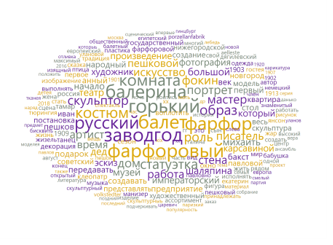
Figure 1 - Cloud of words of both museums’ annotations
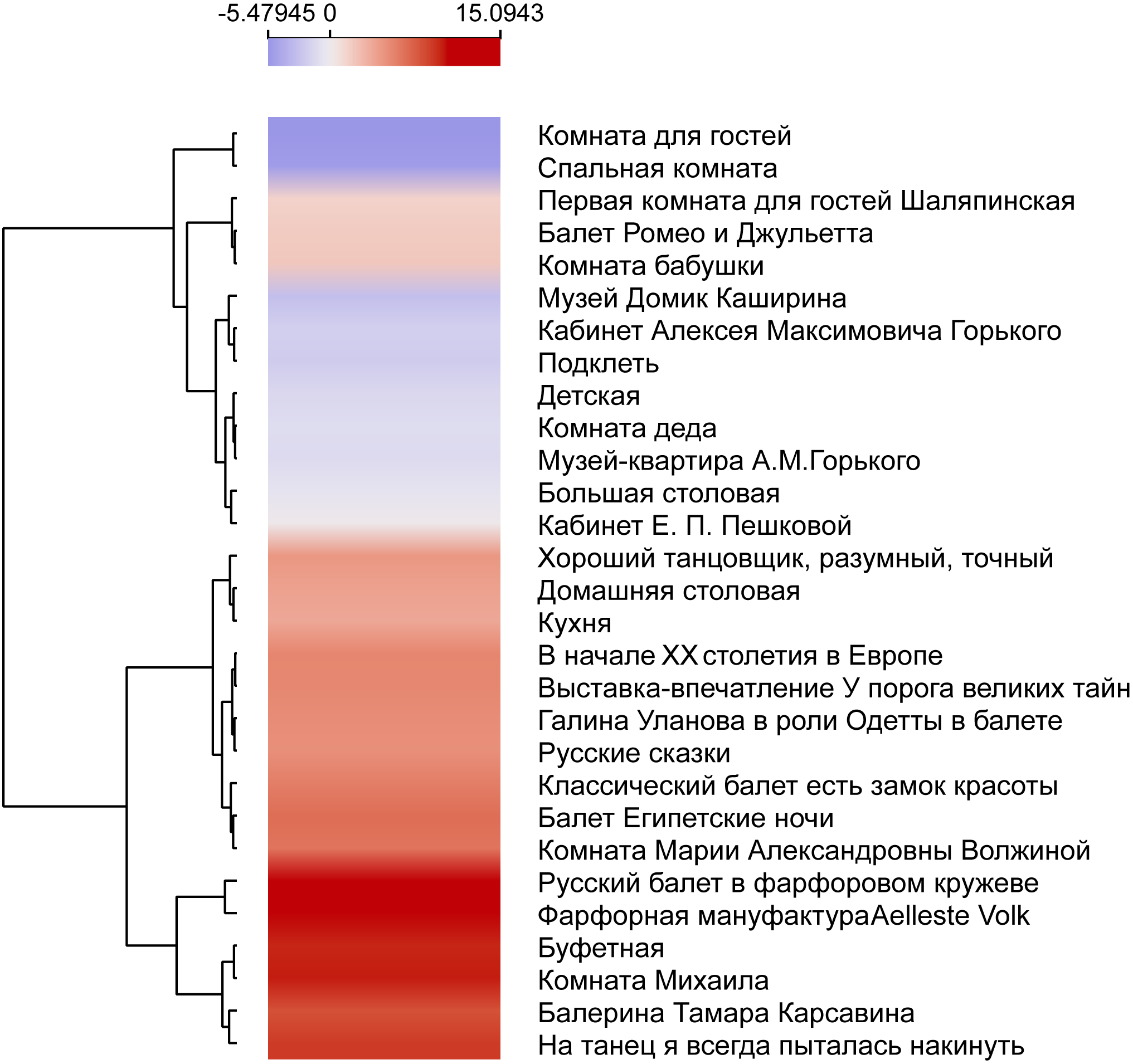
Figure 2 - Heat map of texts in both museums
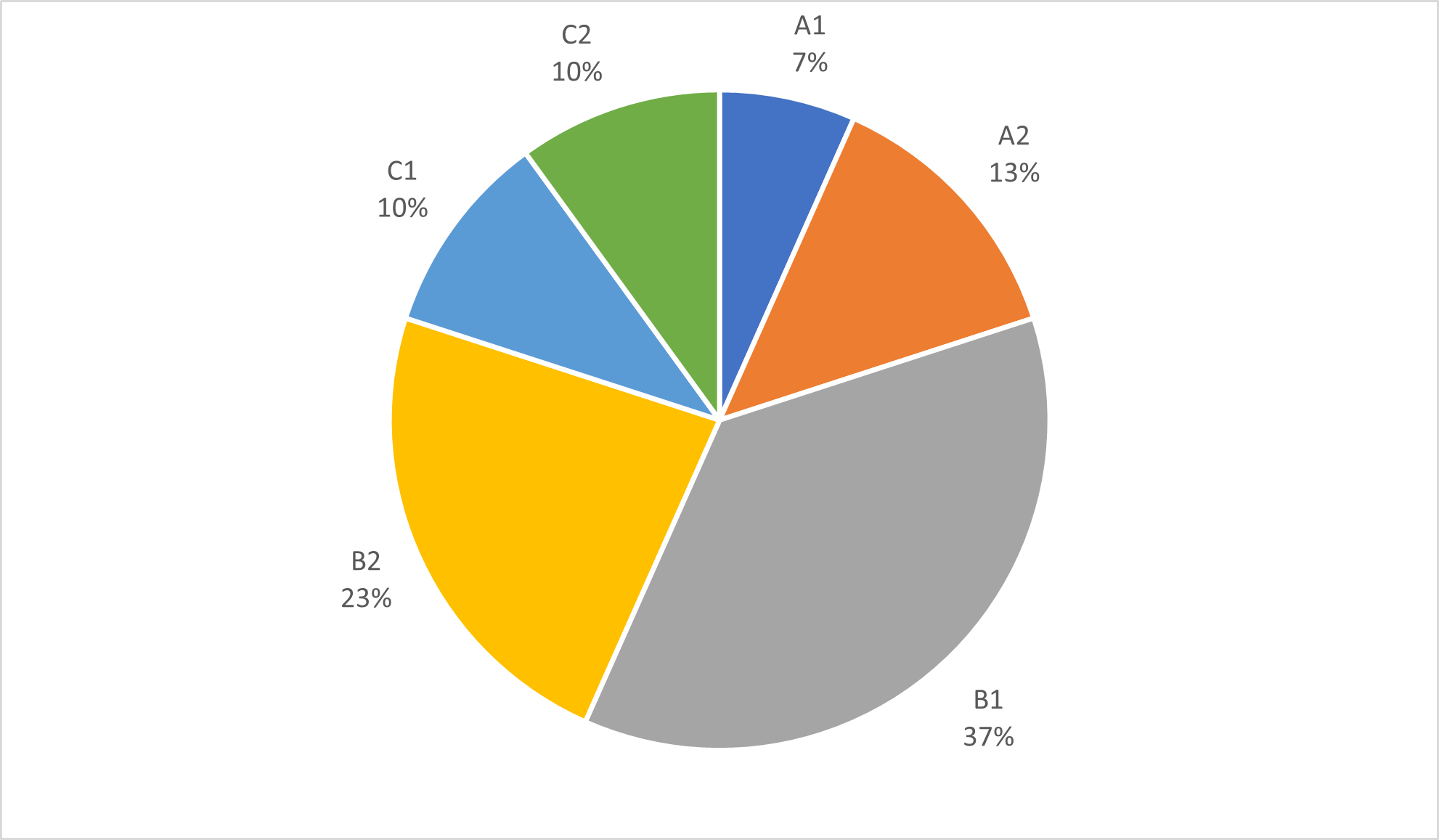
Figure 3 - Language proficiency of texts in both museums
The employment of content analysis reveals that a language proficiency increases, there is a corresponding rise in the total number of characters, total number of words, and unique words in the text. However, the number of unique words does not correlate with the total number of words and characters. Despite this, higher values in these three metrics are associated with greater lexical coverage according to language proficiency levels. The correlation of lexical coverage divided by language proficiency shows that the closer the levels are to each other, the stronger the correlation.
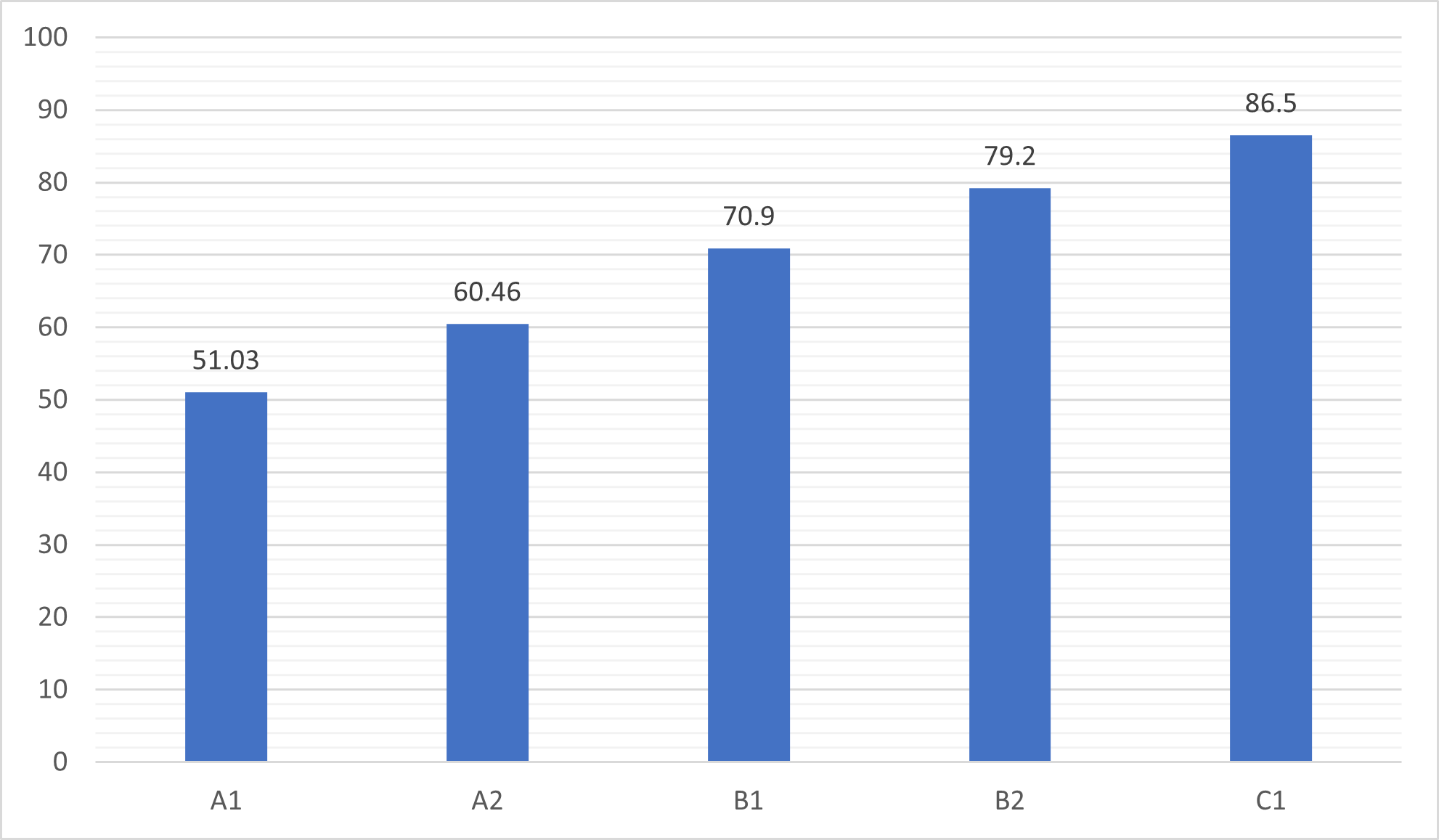
Figure 4 - Lexis coverage in texts Expressed in percent
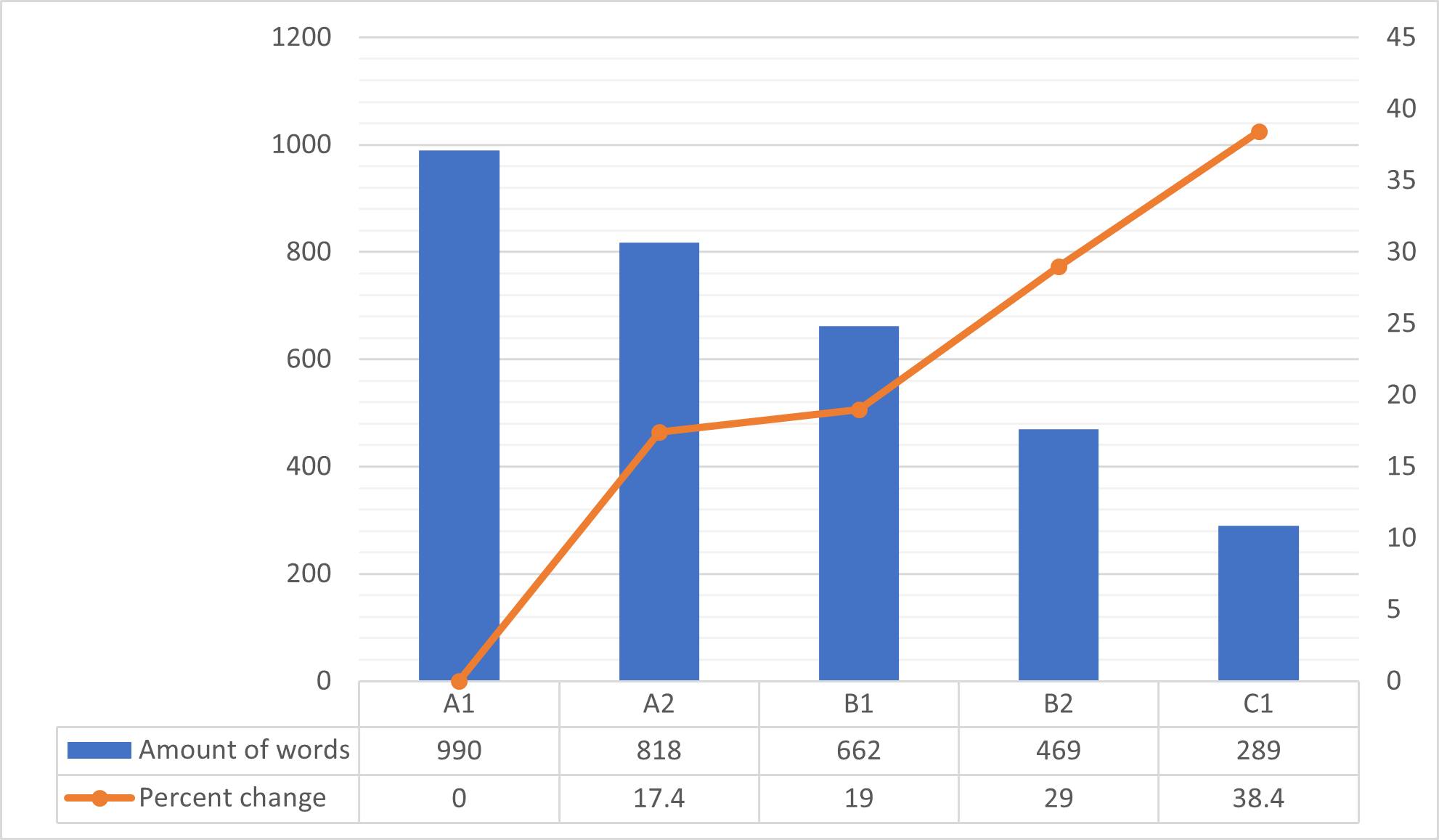
Figure 5 - The number of uncovered words and percentage of change per level of language proficiency
3.2. The texts of Gorky's Childhood Museum "Kashirin's House"
The seven annotation texts from the Kashirin's House Museum consist of a total of 3,670 characters and 661 words. The text with the highest character count is “Выставка-впечатление У порога великих тайн” (“Exhibition of Filling: at the Doorstep of Great Secrets”), containing 1,007 characters and 167 words. In contrast, the text “Комната Михаила” (“Michael’s Room”) has the lowest counts, with only 40 words and 247 characters.
The average word length across all texts is approximately 5.54 characters, with a maximum length of 6.18 characters and a minimum length of 5.05 characters. The overall language proficiency level of these texts averages at B1. Notably, three texts (42% of the total material) are rated at B2 level, while one text (14%) is evaluated at A2 level. For an average student with a B1 proficiency level, it would take approximately 14 minutes to read all the text material in the museum, assuming that every word familiar to the reader.
The analysis of the most frequent words reveals a strong connection to the descriptions of the house and its residents (Table 2, Fig. 6). The average percentage of unique words across all texts is 85.38%. The text “Комната Михаила” (“Michael’s Room”) exhibits the highest uniqueness at 94.87%, while “Комната деда” (“Grandfather’s Room”) shows the lowest uniqueness at 78.44%.
Table 2 - Most frequent words of the Kashirin's House Museum texts
№ | Word | Word count | № | Word | Word count |
1. | Дед (Grandfather) | 10 | 11. | Великий (Great) | 4 |
2. | Горький (Gorky) | 7 | 12. | Детство (Childhood) | 4 |
3. | Дом (House) | 7 | 13. | Писатель (Author) | 4 |
4. | Год (Year) | 6 | 14. | Вместе (Together) | 4 |
5. | Комната (Room) | 6 | 15. | Бабушка (Grandmother) | 4 |
6. | Стена (Wall) | 6 | 16. | Таин (Mysteries) | 3 |
7. | Музей (Museum) | 5 | 17. | Повесть (Story) | 3 |
8. | Человек (Human) | 5 | 18. | Пешков (Peshkov) | 3 |
9. | Михаить (Mihait) | 5 | 19. | Новгород (Novgorod) | 3 |
10. | Порог (Doorstep) | 4 | 20. | Который (Whether) | 3 |
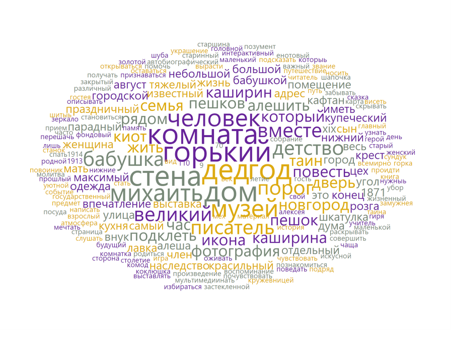
Figure 6 - Cloud of words of the Kashirin's House Museum texts
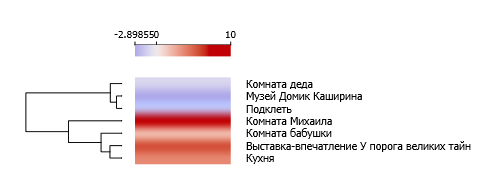
Figure 7 - Heat map of the Kashirin's House Museum texts
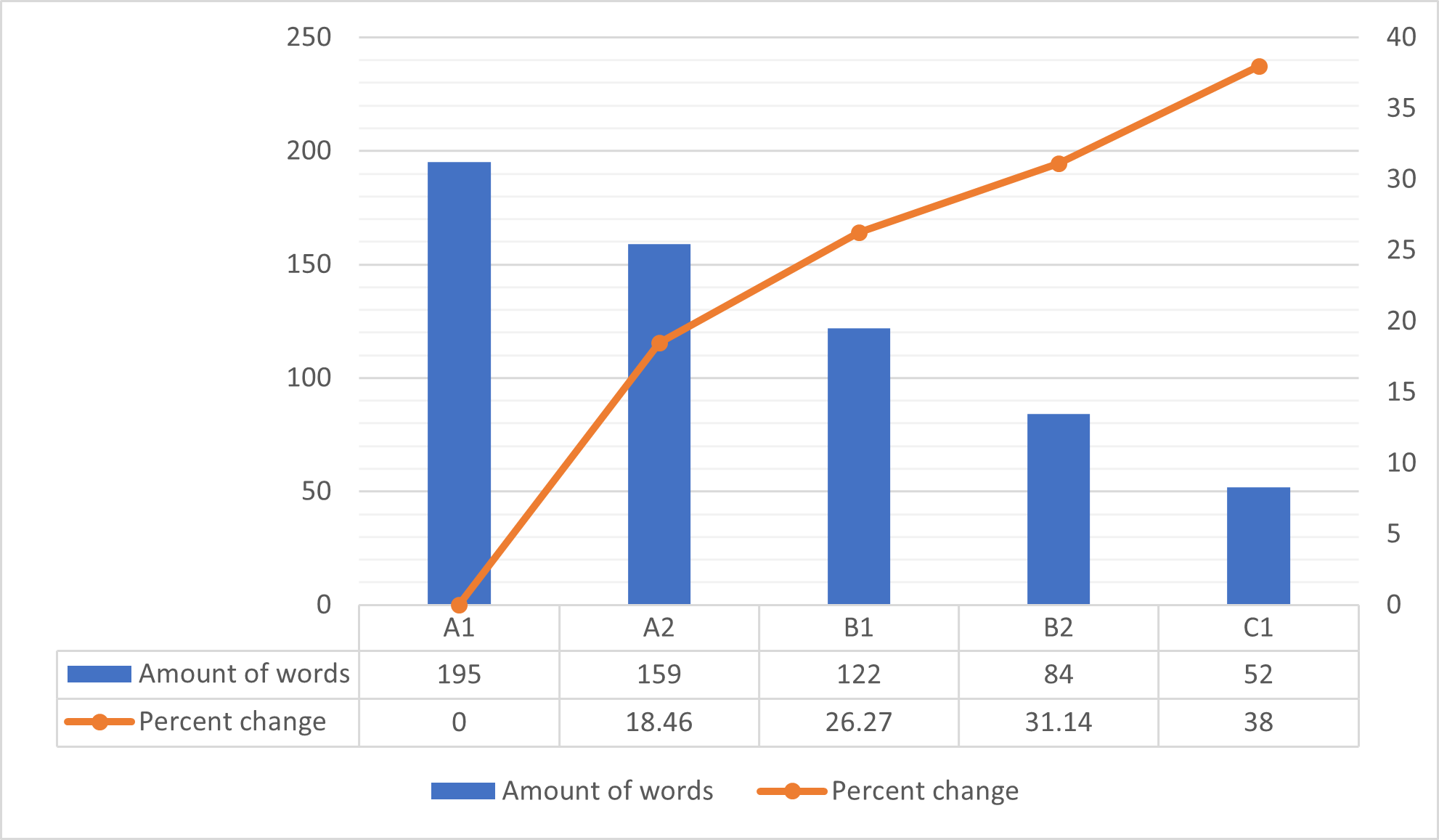
Figure 8 - The number of uncovered words and their percentage change per level of language proficiency in the Kashirin's House Museum texts
The 22 annotation texts from the Gorky Museum-Apartment consist of 26,165 characters and 4,313 words, 1,335 of them being unique. The text titled “Балерина Тамара Карсавина” (The Ballet Dancer Tamara Krasavina) contains the highest number of characters, while “Кабинет Алексея Максимовича Горького” (Aleksei Maximovich Gorky’s Office) has the biggest number of words. Conversely, the text “Спальная комната” (Bedroom) has the lowest character and word count.
The average word length across the texts is 5.56 characters, with a maximum length of 6.91 characters in the text “Фарфорная мануфактура Aelleste Volk” (Aelleste Volk Porcelain Manufactory) and a minimum length of 5.05 characters in “Первая комната для гостей Шаляпинская” (The First Guest-Chamber – Chaliapin).
The average assessed level of language proficiency for these texts is C1. Specifically, one text is rated A1 (approximately 4% of the total material), one text is rated A2 (about 4%), four texts are rated B1 (approximately 17%), five texts are rated B2 (around 28%), two texts are rated C1 (about 9%), and two texts are rated C2 (also about 9%).
It is estimated that an average foreigner with a B1 level of language proficiency would require approximately 86 minutes to read all the text material in the museum On condition that all the words are familiar to them.
The analysis of the text materials reveals some interesting trends. The ballet and porcelain texts, totaling 13,917 characters and 2,183 words, in fact contain a higher proportion of specific terms like “балет” (ballet), “фарфоровый” (porcelain), and “завод” (plant) compared to the Gorky-related texts, which consist of 12,248 characters and 2,130 words (Table 2, Fig. 9). Regarding reading time, the estimates indicate that an average foreigner would require approximately 44 minutes for the ballet and porcelain texts and about 43 minutes for the Gorky annotations.
Table 3 - Most frequent words of the Gorky Gorky Museum-Apartment’s texts
№ | Word | Word count | № | Word | Word count |
1. | Балет (Ballet) | 44 | 11. | Роль (Role) | 14 |
2. | Год (Year) | 38 | 12. | Скульптор (Sculptor) | 14 |
3. | Горький (Gorky) | 33 | 13. | Портрет (Portrait) | 13 |
4. | Фарфоровый (Porcelaneous) | 24 | 14. | Фокин (Fokin) | 13 |
5. | Завод (Plant) | 22 | 15. | Мастер (Master) | 13 |
6. | Балерина (Ballet dancer) | 21 | 16. | Комната (Room) | 13 |
7. | Фарфор (Porcelain) | 21 | 17. | Пешковой (Peshkovoi) | 13 |
8. | Русский (Russian) | 20 | 18. | Искусство (Art) | 12 |
9. | Костюм (Costume) | 17 | 19. | Работа (Labor) | 12 |
10. | Образ (Image) | 15 | 20. | Роль (Role) | 11 |
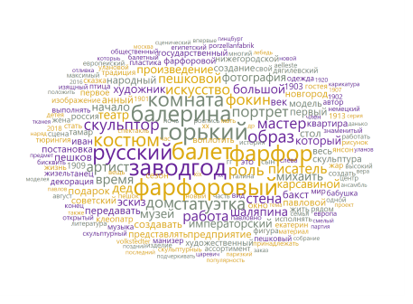
Figure 9 - Cloud of words of the Gorky Gorky Museum-Apartment’s texts
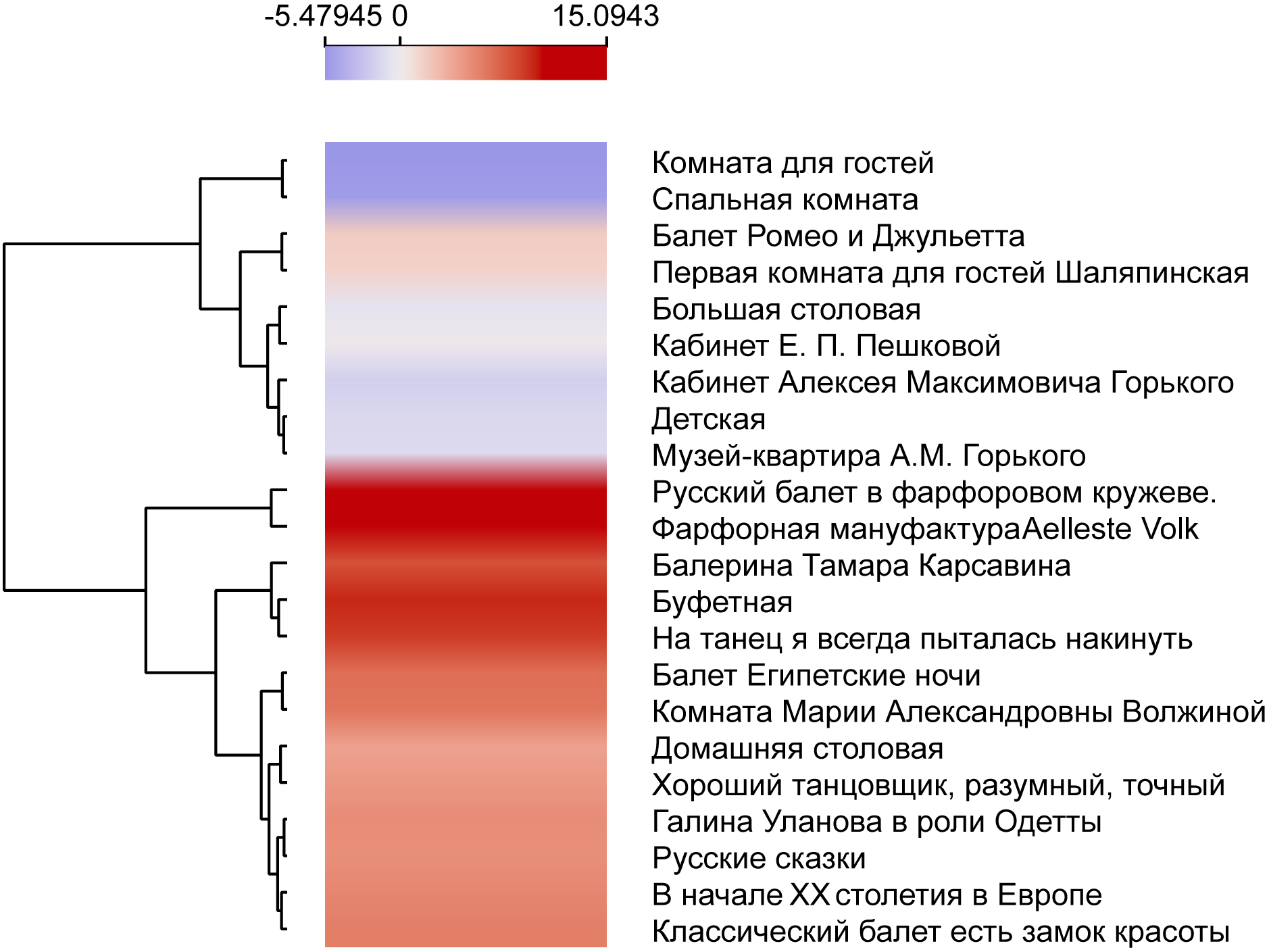
Figure 10 - Heat map of the Gorky Museum-Apartment's texts
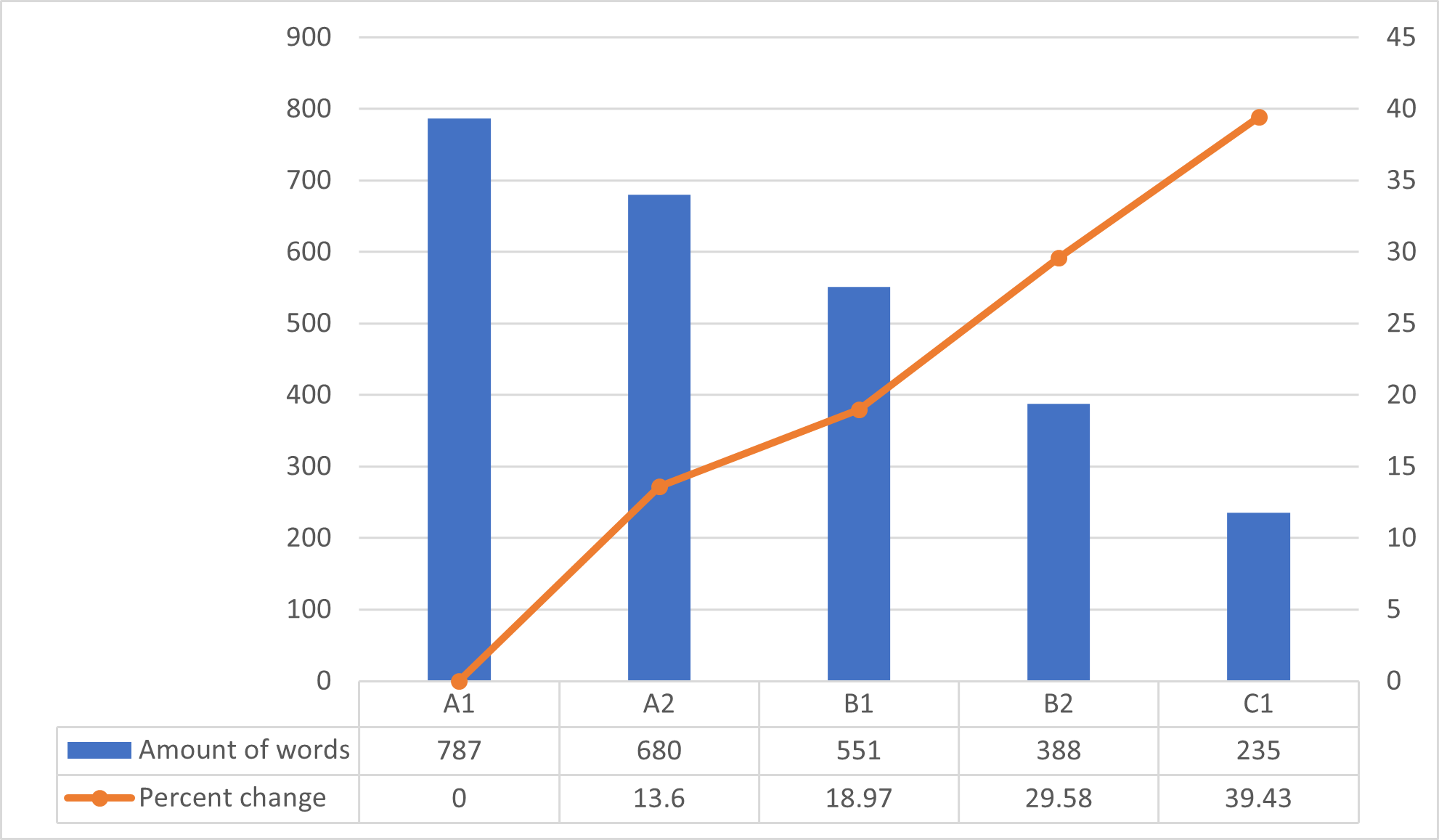
Figure 11 - Amount of uncovered words and percent change per level of language proficiency in the Gorky Gorky Museum-Apartment’s texts
The texts used in to the Gorky Museum-Apartment consist of a total of 1,717 words. The shortest text is 40 words long (“Комната Михаила” / “Michael’s Room”), while the longest text contains 219 words (“Кабинет Алексея Максимовича Горького” / “Gorky’s Office”). The average word count per text is 114.16 words. In terms of character count, there are 9,490 characters in total, with a minimum of 247 characters for “Комната Михаила” / “Michael’s Room” and a maximum of 1,236 characters for “Кабинет Алексея Максимовича Горького” / “Gorky’s Office.” The average character count per text is 632.6 characters.
The average word length is approximately 5.56 characters, with a minimum of 5.05 characters for “Кухня” (“Kitchen”) and a maximum of 6.27 characters for “Спальная комната” (“Bedroom”). The average percentage of unique words across the texts is approximately 81.19%, with a minimum of 66.84% for “Первая комната для гостей Шаляпинская” (“The First Guestroom: Chaliapinskaya”) and a maximum of 94.87% for “Комната Михаила” (“Michael’s Room”).
In terms of word frequency analysis, it is evident that the majority of the terms are closely related to Gorky's life and experiences (Table 4, Fig. 12). This correlation underscores the thematic relevance of the texts, reflecting key aspects of his biography, literary contributions, and personal environment.
Table 4 - Most frequent words of texts related to Gorky
№ | Word | Word count | № | Word | Word count |
1. | Горький (Gorky) | 29 | 11. | Подарок (Present) | 8 |
2. | Год (Year) | 26 | 12. | Пешков (Peshkov) | 8 |
3. | Комната (Room) | 16 | 13. | Окно (Window) | 6 |
4. | Дом (House) | 13 | 14. | Новгород (Novgorod) | 6 |
5. | Стена (Wall) | 12 | 15. | Работа (Labor) | 6 |
6. | Писатель (Author) | 11 | 16. | Жить (Live) | 6 |
7. | Пешковой (Peshkovoi) | 11 | 17. | Театр (Theatre) | 6 |
8. | Дед (Grandfather) | 10 | 18. | Музей (Museum) | 6 |
9. | Фотография (Photograph) | 9 | 19. | Пешковый (Peshkovij) | 5 |
10. | Шаляпина (Chaliapina) | 9 | 20. | Жена (Wife) | 5 |
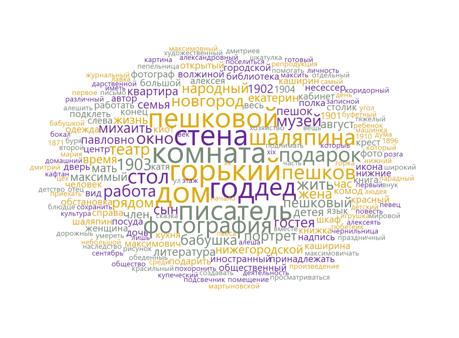
Figure 12 - Cloud of words of related to Gorky texts
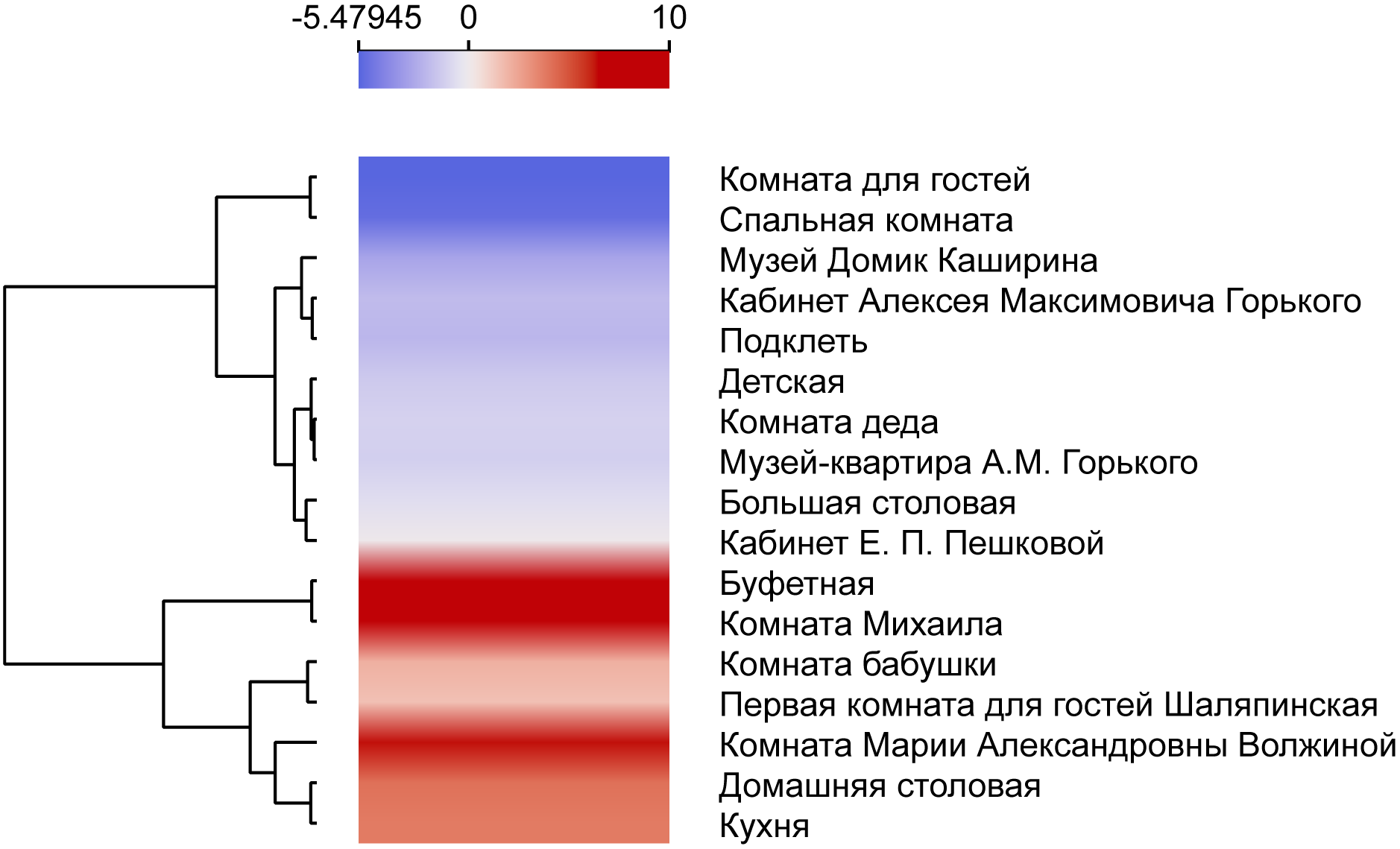
Figure 13 - Heat map of related to Gorky texts
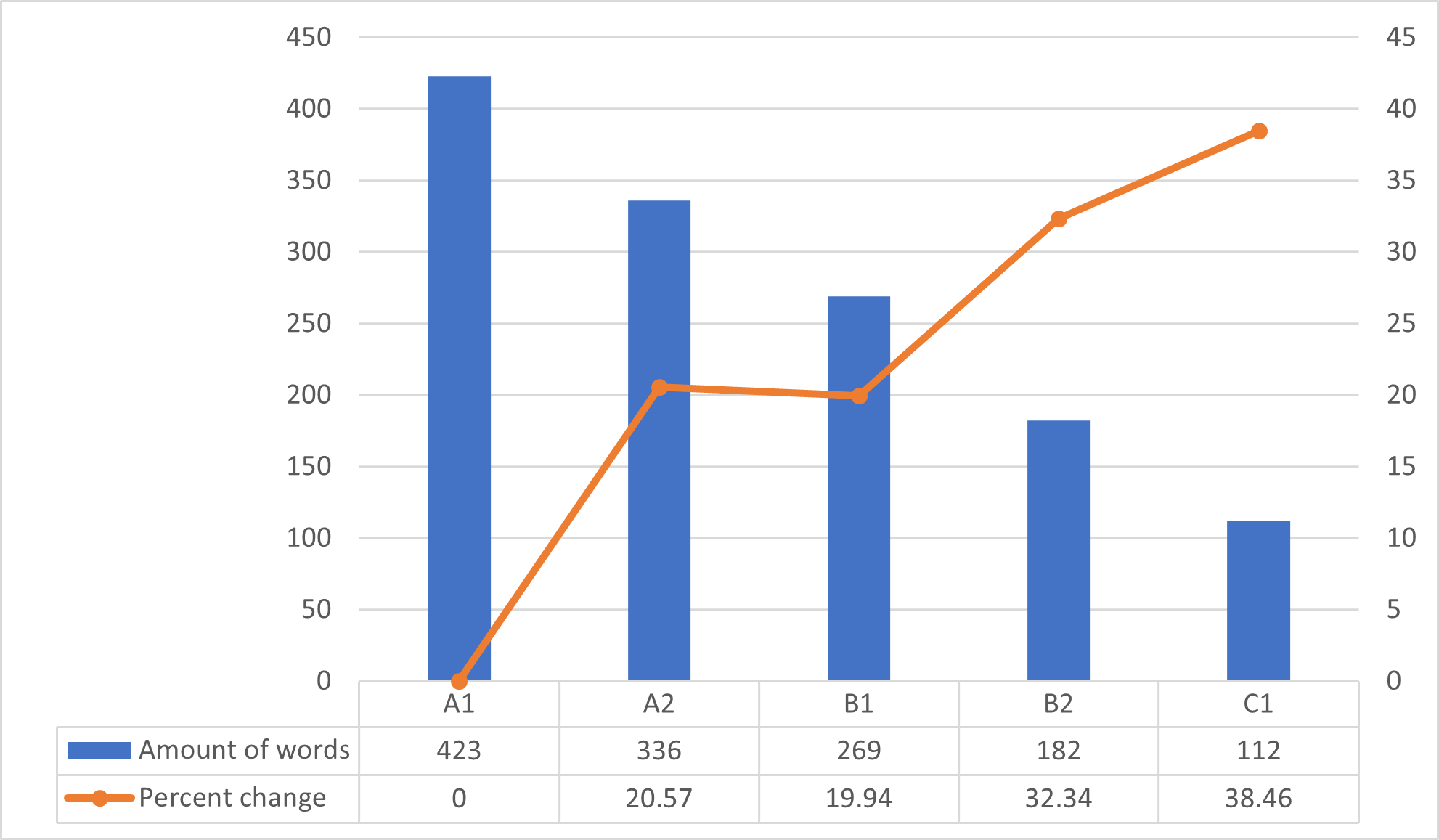
Figure 14 - The number of uncovered words and their percent change per level of language proficiency in related to Gorky texts
The analysis encompasses 11 texts related to ballet and porcelain, totaling 2,069 words. The shortest text, titled “Русский балет” (“Russian Ballet”), comprises 69 words, while the longest text, “Классический балет есть замок красоты” (“Classical Ballet is the Castle of Beauty”), contains 314 words. The average word count per text is approximately 188.09 words. In terms of character count, All the texts collectively contain 13,228 characters. The minimum character count is 452 characters for “Русский балет” (“Russian Ballet”), whereas the maximum is 2,084 characters for “Классический балет есть замок красоты” (“Classical Ballet is the Castle of Beauty”). The average character count per text is approximately 1,202.55 characters.
The average word length across the texts is 6.4 characters. The minimum word length is 5.77 characters, observed in “Хороший танцовщик” (“Good Dancer”), and the maximum is 6.9 characters, noted in “Фарфоровая мануфактура” (“Porcelain Manufactory”). Additionally, the average percentage of unique words in these texts is approximately 79.63%. The minimum percentage of unique words is 71.86%, found in “Хороший танцовщик” (“Good Dancer”), while the maximum percentage is 87.85%, observed in “Фарфоровая мануфактура” (“Porcelain Manufactory”).
The most frequent words reflect the core themes and concepts associated with ballet and porcelain. Words like “балет” (ballet), “искусство” (art), and “красота” (beauty) emphasize the artistic and aesthetic dimensions of ballet, while terms like “фарфор” (porcelain) and “мануфактура” (manufactory) highlight the craftsmanship and cultural significance of porcelain (Table 5, Fig. 15).
Table 5 - Most frequent words of texts related to ballet and Porcelain
№ | Word | Word count | № | Word | Word count |
1. | Балет (Ballet) | 44 | 11. | Роль (Role) | 13 |
2. | Фарфоровый (Porcelain) | 24 | 12. | Скульптор (Sculptor) | 13 |
3. | Завод (Plant) | 22 | 13. | Фокин (Fokin) | 13 |
4. | Балерина (Ballet dancer) | 21 | 14. | Мастер (Master) | 13 |
5. | Фарфор (Porcelain) | 21 | 15. | Артист (Dancer) | 11 |
6. | Русский (Russian) | 19 | 16. | Искусство (Art) | 10 |
7. | Костюм (Costume) | 17 | 17. | Императорский (Imperial) | 9 |
8. | Образ (Image) | 15 | 18. | Карсавиной (Krasavina’s) | 9 |
9. | Год (Year) | 15 | 19. | Эскиз (Draft) | 9 |
10. | Статуэтка (Statuette) | 14 | 20. | Предприятие (Enterprise) | 8 |
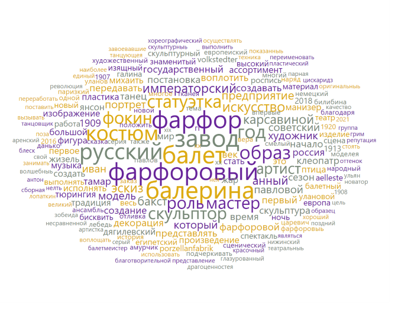
Figure 15 - Cloud of words of related to Ballet and Porcelain texts
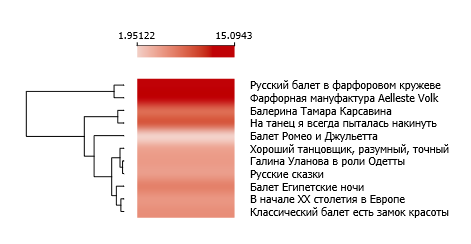
Figure 16 - Heat map of related to Ballet and Porcelain texts
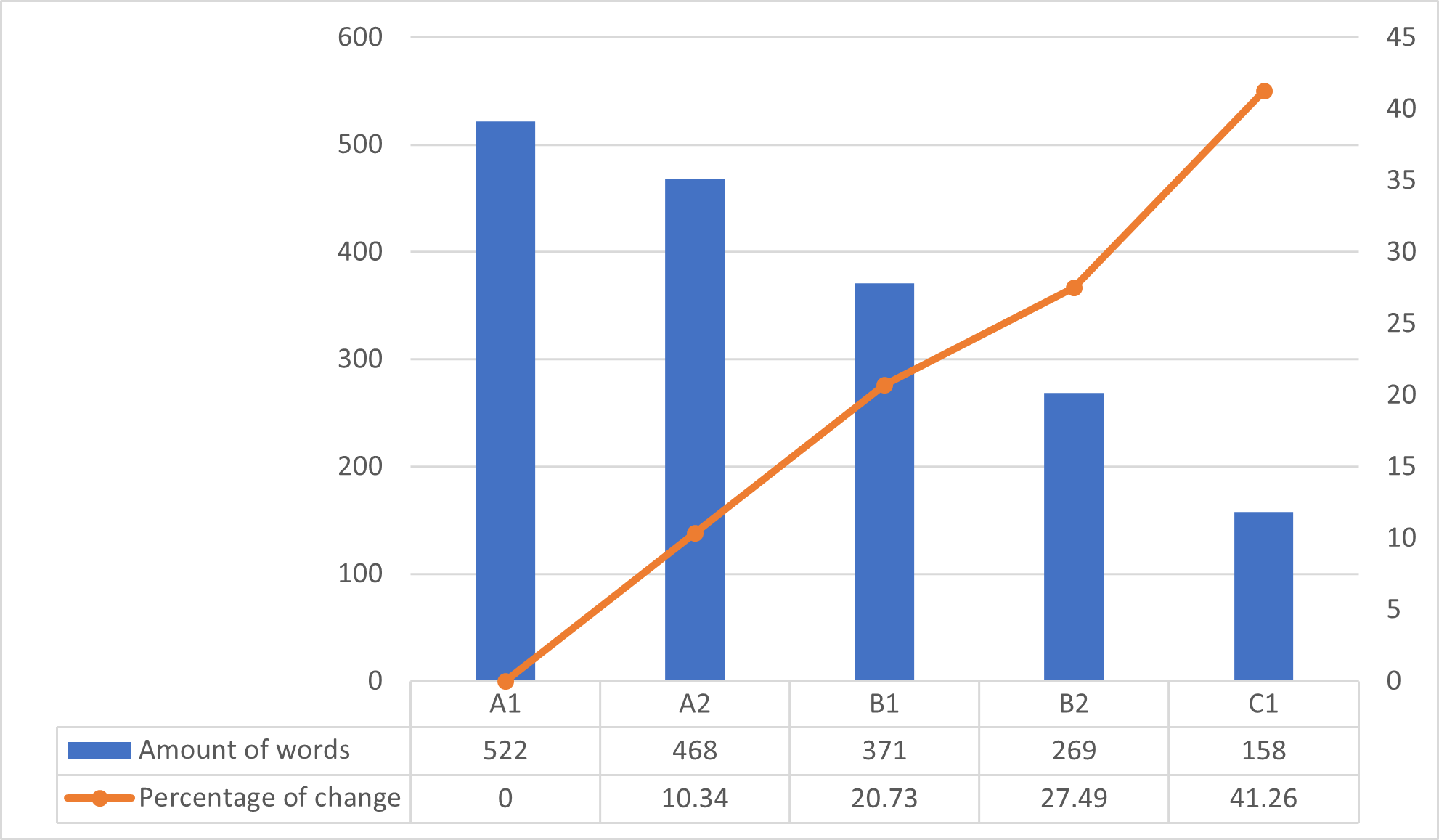
Figure 17 - The number of uncovered words and their percent change per level of language proficiency in related to Ballet and Porcelain texts
4. Conclusion
The results of this study reveal that the texts in the two museums dedicated to Maxim Gorky’s legacy do not meet the standards set for Russian as a Foreign Language, being too complex in terms of lexical coverage. While the modern museum environment offers a rich variety of content that can be appreciated visually, a deeper understanding of the socio-cultural nuances requires a solid grasp of language. This vocabulary gap highlights the potential barriers to comprehension for visitors at B1 and B2 proficiency levels.
This vocabulary gap suggests that while the content may be rich and informative, it could also present barriers to understanding for those at these proficiency levels. To enhance visitor experience and comprehension, it may be beneficial for curators to consider simplifying the language or providing supplementary materials, such as glossaries or guided tours, aimed at improving accessibility for a wider audience. This approach would not only facilitate better understanding but also enrich the overall engagement with museums.
As museums continue to play a vital role in education, tourism, and cultural exchange, addressing these textual shortcomings is imperative for their future success. Additionally, educators teaching Russian as a foreign language should prioritize the integration of absent vocabulary into their curricula, ensuring that students are well-prepared for museum visits.
Our findings can have some practical application. They have implications for underscoring the significance of effective language and cultural transmission in promoting the Russian language and its rich heritage. This article serves as an initial exploration in this critical area of research. Moving forward, we advocate for an interdisciplinary approach that combines sociological, philological, and pedagogical analyses to address the challenges of socio-cultural transition effectively. By doing so, we can pave the way for more inclusive and impactful educational experiences in the realm of Russian language and culture.
We believe that the current empirical study will be of major benefit to several key groups: museum employees, teachers of Russian as a foreign language, and tour guides. Museum staff will be able to revise their planning for future exhibitions and content organization. Teachers can incorporate a specific number of vocabulary items from the study into their curricula, thereby enhancing opportunities for independent or organized interactions of foreign students with Gorky’s Museums. Tour guides will be able to refine their oral presentations to better align with the written exhibition annotations. This research also has the potential to inform institutional policy and pedagogical frameworks, helping museums and educational institutions better integrate cultural heritage with language learning and tourism experiences y bridging linguistic education, cultural tourism, and museum practice.